If you’re short on space but want fresh fruit, dwarf stock fruit trees are the ideal solution. These compact varieties stay small enough for patios, balconies, and small yards while delivering real harvests. This guide highlights five solid choices, explains who each is best for, and explains why they were selected. Perfect for homeowners, urban growers, or anyone seeking a low-maintenance, space-efficient fruiting option.
Summary table of selected products
| Product | Best For | Why It Stands Out | Notes |
|---|---|---|---|
| Apple, Plum & Pear Trees (3-Pack) – Dwarf Fruit Trees | Small orchard beginners | Diverse trio in one bundle; strong root systems for transplanting | Residential yard friendly |
| Honey Kiss Mango Tree – 8-12in Tall | Tropical fruit lovers with containers | Seed-grown, compact, fiberless mangoes | Warm climates required |
| Pickering Mango Tree – 8-12in Tall | Quick-growing tropical options | Seed-grown, grafted look, 8–12 in tall | Container-friendly |
| Perfect Plants Dwarf Everbearing Mulberry Tree | Low-maintenance fruiting | Self-fertile, compact size, year-round fruiting (in warm temps) | Best in sunny spots |
| Large Honeycrisp Apple Tree (Dwarf Root Stock) | Cold-climate home orchards | Ready-to-plant, semi-dwarf root stock | Shipped 5–6 feet tall |
Apple, Plum & Pear Trees (3-Pack) – Dwarf Fruit Trees

Three live trees—apple, plum, and pear—provide a diverse beginner-friendly orchard. The bundle emphasizes healthy root systems designed for easy transplanting and establishment in your yard or garden. Best for buyers seeking a low-maintenance starter set that yields multiple fruit types in a compact footprint. A potential limitation is that cultivar performance can vary with local climate and soil conditions.
Apple, Plum & Pear Trees (3-Pack) – Dwarf Fruit Trees (6 Pack)
This is a larger, multi-pack option with two of each tree. It’s well-suited for households aiming to establish a broader backyard orchard. Choose this if you have more space and want redundancy across fruit types. Caution: ensure you have adequate sun and space to accommodate multiple trees over time.
Large Honeycrisp Apple Tree – Semi Dwarf Root Stock
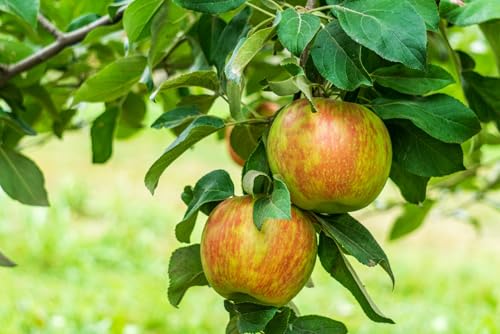
This semi-dwarf apple tree is ready to plant and ships tall, offering a substantial addition to a home orchard. It’s best for buyers in regions suitable for apples, with sufficient sun and room for the tree to mature. Be aware that deciduous trees may lose leaves in winter, which is normal but may affect curb appeal temporarily.
Honey Kiss Mango Tree – 8-12in Tall
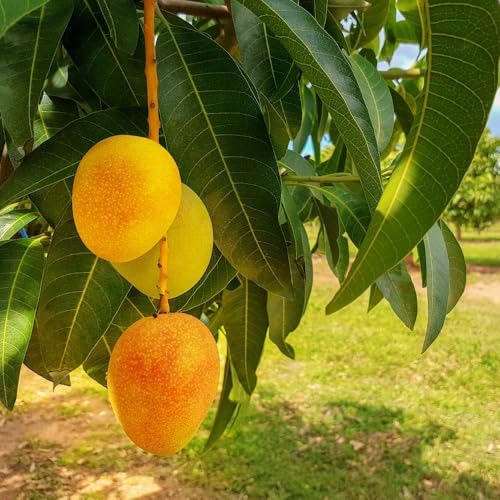
Compact, seed-grown mango trees that suit pots or garden beds. Best for warm climates (zones 9–11) and for buyers seeking a tropical option with sweet, fiberless fruit. A limitation is climate suitability; growth is optimized in warm, well-drained soils with ample sun.
Pickering Mango Tree – 8-12in Tall

Seed-grown mango tree with strong roots and quick vigor. It arrives as a young 8–12 inch plant, ready for transplanting into a garden bed or container. It suits buyers wanting a fast start to a tropical fruit collection but should be placed where warmth and sunlight are plentiful.
Perfect Plants Dwarf Everbearing Mulberry Tree

Self-fertile, dwarf mulberry provides fruit without needing a pollinator. Its compact size (about 6–10 feet tall) fits small yards, and it can continuously fruit with adequate sun. Best for buyers seeking a low-maintenance, self-sufficient option, especially in southern climates. A consideration is that fruiting and size respond to pruning and climate.
Buying Guide: Dwarf Fruit Tree Essentials
Choosing the right dwarf fruit tree involves climate suitability, growth habit, and space planning. Consider:
- Climate compatibility: Some trees thrive in warm zones; others perform in cooler areas. Check your USDA hardiness zone and local microclimate.
- Container vs. in-ground: Dwarfs are often container-friendly, but root growth and fruiting can differ. Ensure proper pot size or bed space.
- Sun exposure and soil: Most fruit trees require at least 6–8 hours of sun daily and well-draining soil. Amend soil if needed.
- Pollination and fruiting: Some varieties are self-fertile; others may need a compatible partner for best yields.
- Maintenance: Pruning, fertilization, and irrigation impact tree size, vigor, and harvest consistency.
How to Evaluate a Dwarf Fruit Tree Purchase
- Root stock and maturity: A dwarf stock often means a grafted or semi-dwarf form. Check the shipped size and expected mature size.
- Health and transplant readiness: Look for indications of strong roots and healthy foliage (season permitting).
- Edge cases: Some trees are seed-grown or sold as starter stock. Seed-grown varieties may take longer to fruit and vary in vigor.
Planting And Care Quick Tips
- Plant promptly after receipt when possible; otherwise water thoroughly and store in a cool, shaded area per seller guidance.
- Provide a planting site with full sun and good drainage. Mulch to conserve moisture and stabilize roots.
- Water consistently, especially during establishment. Adjust irrigation in hot or windy conditions.
- Prune to establish a strong structure and promote air circulation. Follow local guidelines for correct pruning times.
FAQ
- What is a dwarf fruit tree? A dwarf fruit tree is bred or trained to stay smaller than standard trees, often suitable for containers and small spaces while still producing fruit.
- Are these trees suitable for beginners? Yes, the listed sets include beginner-friendly options with diverse fruit types and straightforward care.
- Can I grow tropical mangos in a temperate yard? Mango trees are best in warm climates or with container mobility to a warm location; they require significant sun.
- Do these trees need pollinators? Some do, some are self-fertile. Check each variety’s pollination details for optimal yields.
- How long before fruiting? Seed-grown mangos may take several years to fruit; grafted or dwarf stock fruit earlier depending on variety and conditions.
- What if I have limited space? Choose container-friendly dwarfs and consider vertical or espalier training to maximize yield per square foot.