Answering the question “which bug spray works best on hibiscus?” this guide highlights effective, ready-to-use options for hibiscus plants attacked by mites, aphids, whiteflies, and other pests. Best for home gardeners with flowering hibiscus, container growers, and outdoor plant beds. This article explains each product, who it suits, and real-world considerations for safe use near blooms.
Summary of selected products
| Product | Best For | Key Benefit |
|---|---|---|
| Bonide Captain Jack’s Neem Oil | General garden pests, fungi on hibiscus | Multi-purpose 3-in-1 action |
| BioAdvanced Rose and Flower Insect Killer | Across flowering plants including hibiscus | Longer protection up to 14 days |
| Earth’s Ally 3-in-1 Insecticide | Organic-style care for ornamental plants | Essential-oil blend with repellent effect |
| Natria Neem Oil Spray | Houseplants and garden hibiscus alike | Simple ready-to-use spray |
| Trifecta Crop Control | All-purpose plant protection, edible crops included | All-natural plant-based formula |
Bonide Captain Jack’s Neem Oil

Bonide Captain Jack’s Neem Oil is a ready-to-use, multi-purpose spray that functions as a fungicide, miticide, and insecticide. It is designed to kill pests at all life stages and to prevent fungal issues on ornamental plants, including hibiscus. This product is convenient for gardeners who prefer a single solution for both pests and diseases that affect hibiscus foliage and flowers.
Best for: Hibiscus owners dealing with mites, powdery mildew, and a range of insect pests. It is especially useful where concurrent fungal and insect pressures occur.
Why selected: Its 3-in-1 action reduces the need for multiple sprays, and the ready-to-use format simplifies application—useful for beginners and busy growers.
Limitation: Neem oil can sometimes cause minor leaf spotting on sensitive varieties if applied during high heat or direct sun; follow label timing to avoid crop stress.
BioAdvanced Rose and Flower Insect Killer
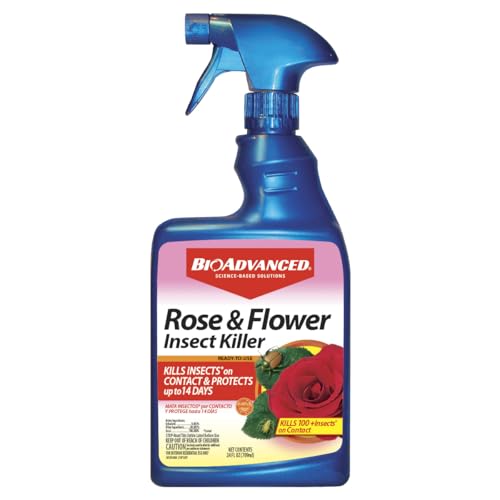
BioAdvanced Rose and Flower Insect Killer is a ready-to-use spray designed to kill 100+ insects on contact and provide protection for up to 14 days. It’s suitable for hibiscus, roses, flowers, container plants, and even vegetable gardens, making it a versatile option for mixed plantings.
Best for: Hibiscus growers who want rapid knockdown of common pests such as aphids, whiteflies, and beetles with a solid, two-week protection window.
Why selected: Strong immediate efficacy against a wide pest range and extended protection without daily applications.
Limitation: Best used when pollinators are not actively foraging in the spray area; avoid bloom-sensitive periods if flowering is critical for pollen activity in your space.
BioAdvanced 3-in-1 Insect, Disease & Plant Mite Control

This 3-in-1 spray targets insects, diseases, and plant mites with rainproof protection that lasts up to 14 days. It is formulated for outdoor use on roses, flowers, ornamentals, shrubs, and trees, providing a broad defense for hibiscus among other plants.
Best for: Hibiscus gardens where concurrent insect and disease pressures exist, especially in outdoor or mixed-plant environments.
Why selected: Combines three protective actions in one bottle, simplifying schedules for hibiscus care.
Limitation: Apply outdoors when pollinators are less active to minimize potential impact on beneficial insects during bloom periods.
BioAdvanced All-In-One Rose And Flower Plant Care Spray

BioAdvanced All-In-One Rose and Flower Plant Care Spray provides insect control, disease control, and plant mite control in one ready-to-use spray. It features rainproof protection for up to 14 days and is designed for outdoor use on a variety of flowering plants, including hibiscus.
Best for: Hibiscus owners seeking a comprehensive plant-care spray for assorted pests and diseases in outdoor settings.
Why selected: Simple, all-in-one approach for hibiscus in mixed borders or container setups.
Limitation: Like other broad-spectrum sprays, use during non-pollinator activity when possible to protect beneficial insects.
Earth’s Ally 3-in-1 Insecticide

Earth’s Ally 3-in-1 Plant Spray blends essential oils into an insecticide, miticide, and fungicide for plants. It acts with residual repellency, killing soft-bodied pests while also controlling diseases that commonly afflict hibiscus.
Best for: Gardeners preferring a plant-based, oil-rich spray with repellent properties for hibiscus and ornamentals.
Why selected: Gentle on beneficials when used as directed and effective against a range of pests and diseases.
Limitation: Essential-oil blends may require more frequent applications in very hot or windy conditions to maintain protection.
Garden Safe Insecticidal Soap

Garden Safe Insecticidal Soap kills pests on contact by thorough spraying on all plant parts. It is suitable for organic gardening and can be used indoors, outdoors, and in greenhouses, including on vegetables and ornamentals like hibiscus. It remains effective up to the day of harvest for edible plants.
Best for: Hibiscus growers seeking a contact-kill solution with a straightforward, label-compliant approach for organic gardens.
Why selected: Quick knockdown with minimal residue and a broad compatibility profile for mixed plant settings.
Limitation: Requires direct contact with pests for effectiveness; coverage must reach undersides of leaves for best results.
Trifecta Crop Control
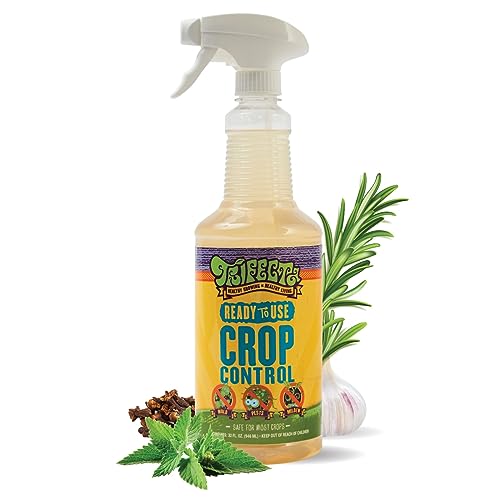
Trifecta Crop Control is an all-natural, plant-based spray designed to combat spider mites, powdery mildew, and botrytis. It is suitable for indoor and outdoor use and emphasizes safety for edible crops while protecting hibiscus from common pests and diseases.
Best for: Hibiscus gardens emphasizing organic or low-toxicity approaches and a focus on mold and mite control.
Why selected: A gentle, eco-friendly option that still delivers broad coverage against pests and diseases.
Limitation: May require more frequent applications in severe infestations or high humidity environments.
Buying Guide: Key Considerations For Hibiscus Pest Sprays
What pest pressures are typical on hibiscus? Mites, aphids, whiteflies, and powdery mildew commonly threaten hibiscus blooms and foliage. A good spray should target insects, diseases, or both, with clear instructions on use on flowering plants and near harvest times.
What should I look for in a hibiscus spray?
- Mode of action: 3-in-1 products save time but ensure the label covers both pests and diseases you’ve noticed.
- Coverage and residue: Consider rainproof protection and how long the spray lasts between applications.
- Plant safety: Some formulas are gentler for ornamentals; always test on a small leaf area first.
- Pollinator timing: Apply when pollinators are less active to protect beneficial insects.
- Edible considerations: If hibiscus is grown near edible plants, select products labeled safe for edible crops or those with plant-based actives.
What type of spray is best for beginners?
Ready-to-use sprays with broad pest and disease coverage are easier for beginners. Neem oil, insecticidal soaps, and plant-oil blends provide straightforward application without mixing. Always follow label directions for dilution, application hours, and harvest intervals.
How should I schedule applications?
Start with a preventive schedule during warm, humid periods when pests typically emerge. If you notice a specific pest, tailor applications to that pest’s life cycle. Avoid spraying during the hottest part of the day to minimize leaf burn on hibiscus.
Are there safety and environmental considerations?
Use protective gear as recommended on the label, avoid spraying near pollinators during bloom, and keep pets away from treated plants until dry. Choose products with minimal non-target impacts when possible.
What about combined pest and disease control?
Bases of 3-in-1 formulations simplify care, but precision matters. Choose a product whose active ingredients align with the pests and diseases you’ve observed, and rotate products to prevent resistance or phytotoxicity.
FAQ
- Can I spray hibiscus with neem oil during flowering? Yes, but apply during cooler times of day to minimize leaf burn and avoid direct sunlight immediately after spraying.
- Is a 14-day protection spray suitable for hibiscus? It can be, especially for outdoor hibiscus with ongoing pest pressure. Reapply according to label directions and plant health.
- Are all-in-one sprays better than separate products? All-in-one sprays save time, but ensure the product covers the pests and diseases you see and fits your growing conditions.
- Should I avoid spraying edible crops near hibiscus? If you have edible plants nearby, check the label for restrictions or rinse produce as directed if applicable.
- How can I test a spray before full application? Perform a small leaf test on a non-showy area and monitor for any signs of phytotoxicity over 24–48 hours.
- What is the best way to apply these sprays? Apply evenly to both the top and undersides of leaves, and cover flowers only as label allows to protect bloom quality.