Answering the question for curious kids, families, and classrooms: these butterfly habitat kits let you raise caterpillars, watch metamorphosis, and release Painted Lady or Monarch butterflies. Each choice suits a different learner or setting—at-home exploration for families, classroom projects for teachers, or STEM-focused activities for curious young scientists. Below you’ll find five standout options with clear strengths, practical cautions, and who each is best for. A quick buying table follows to help you compare at a glance.
| Product | Best For | Why It Stands Out |
|---|---|---|
| Uncle Milton Butterfly Farm Live Habitat | Young kids who want a vivid live butterfly experience | Direct observation of caterpillar-to-butterfly transformation and a custom habitat |
| Insect Lore Butterfly Garden with 10 Live Baby Caterpillars | Hands-on STEM projects at home | Includes 10 caterpillars, journal, and complete habitat setup for a full metamorphosis journey |
| Insect Lore Butterfly Farm | Small groups or classrooms starting with a cup of caterpillars | Comprehensive kit with multiple caterpillars, habitat, and journal |
| National Geographic Butterfly Growing Kit | Educators seeking a voucher-based start | Voucher for 5 caterpillars and a durable mesh habitat with guided learning |
| RESTCLOUD Insect and Butterfly Habitat Cage | Tall, reusable habitat for growing butterflies indoors | Sturdy foldable design and large viewing area for long observation sessions |
Uncle Milton Butterfly Farm Live Habitat
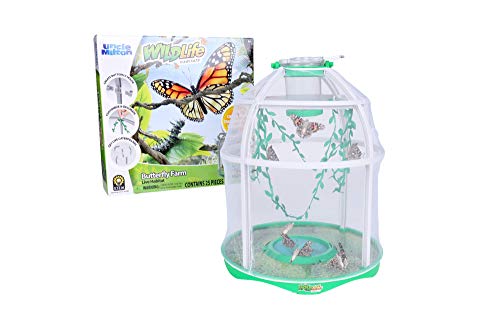
Best for young children who want a vivid live butterfly experience. This kit emphasizes observing real caterpillars become butterflies within a custom habitat. It supports early science curiosity by connecting life cycles to tactile, hands-on exploration. The included habitat lets kids decorate and personalize their observation space, boosting engagement. A potential limitation is that live caterpillars may require consistent care and timing to complete metamorphosis.
Insect Lore Butterfly Garden with 10 Live Baby Caterpillars

Better for families pursuing a longer, structured project. It offers ten live caterpillars, a reusable mesh habitat, and a STEM activity journal with science, math, and writing tasks. This kit supports gradual learning as the caterpillars metamorphose, offering a compelling day-by-day narrative. Caution: success depends on proper care and timely feeding; delays may affect development and butterfly release timing.
Insect Lore Butterfly Farm

Best for small classrooms or families starting with a simple cup of caterpillars. This kit centers on a 3-week metamorphosis journey with one cup of caterpillars, a reusable habitat, and a detailed journal. It’s a compact option that still emphasizes observation, growth, and learning activities. Limitation: the kit focuses on a single batch of caterpillars, so ongoing projects may require additional purchases.
National Geographic Butterfly Growing Kit

Ideal for educators and curious learners who want a voucher-based start. This kit provides a voucher for five caterpillars and a see-through mesh habitat, plus a guided learning experience. It’s a reliable option for structured, classroom-style projects. Caution: voucher terms apply, and caterpillars are shipped separately after redemption, which may affect project timing.
RESTCLOUD Insect and Butterfly Habitat Cage
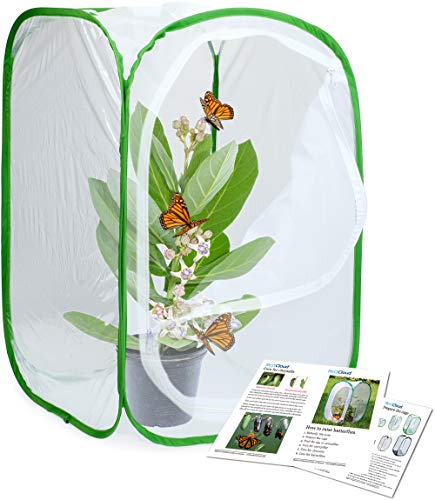
Best for taller, reusable setups with a clear 360-degree view. This tall, foldable habitat supports Monarch, Painted Lady, or Black Swallowtail life cycles and offers a spacious interior. The double-zip design and breathable mesh contribute to ease of use and ongoing observation. Limitation: taller cages may require more vertical space and stable placement to prevent tipping in active environments.
Buying Guide
- What’s your observation goal? If you want live butterflies quickly, choose kits with immediate caterpillar-to-butterfly progress. For deeper STEM work, look for journals, worksheets, or classroom-ready materials.
- How many caterpillars should you start with? Smaller kits are great for beginners or limited space; larger kits are better for group activities or longer projects.
- Is a reusable habitat important? If you plan multiple cycles, opt for foldable or sturdy cages with clear visibility and good airflow.
- What about voucher-based starts? National Geographic and similar options offer vouchers for caterpillars, which can be convenient for schools or programs, but verify placement and shipping details.
- Care requirements and timing? Live caterpillars require feeding and monitoring. Consider your schedule and whether you’ll have the time to care for them through the metamorphosis period.
Frequently Asked Questions
- What species do these kits typically raise? Most kits focus on Painted Lady butterflies, with some offering Monarchs, depending on availability and location.
- Can I release the butterflies after metamorphosis? Yes, many kits promote release into the garden or local habitat when weather and regulations permit.
- Do these kits include live insects? Some kits ship caterpillars and require voucher redemption for live insects, while others provide live habitats and immediate caterpillar supplies.
- Are there safety considerations for kids? Always supervise handling of caterpillars and chrysalises, follow feeding guidelines, and ensure habitats have proper ventilation and stability.
- Which kit is best for classrooms? Look for kits with multiple caterpillars, a durable habitat, and an accompanying activity journal or lesson plan that aligns with STEM objectives.
- How long does the metamorphosis process take? It typically spans about 2 to 3 weeks from caterpillar introduction to butterfly emergence, though timing can vary by species and environment.