Answer: If you want a compact, water-efficient way to grow herbs, leafy greens, and small vegetables at home, a vertical aeroponic or hydroponic tower is a strong choice. These systems save space, reduce water use, and can speed up growth. The following five towers are especially suited for apartment balconies, kitchens, or sunrooms where vertical farming can thrive.
Buyer insights at a glance:
| Product | Best For | Key Benefit | Limitations |
|---|---|---|---|
| TIRUSS 9 Layer 36 Pots | Beginner to mid-size setups; space-conscious growers | High water efficiency; many pots in a compact footprint | Lower layer-to-top access may require rearranging plants |
| TIRUSS 14 Layer 70 Plants | Consistent yield in compact spaces; versatile herbs and veggies | Large capacity; movable water tank for flexible placement | Heavier and taller; may need sturdy support |
| ALTO GARDEN GX | Clean, self-contained systems; those wanting no ongoing fees | Self-watering, self-lighting; no monthly subscription | LED setup adds complexity; higher upfront cost |
| KUCKGO Vertical Tower | Smart, space-efficient indoor/outdoor use | 30 pods; compact footprint with space-saving design | Timer and pump require maintenance to avoid clogs |
| MQHUAYU Vertical Tower Garden | High-density planting in small areas | 7-layer, up to 35 pods; strong water-saving claims | Some parts may be plastic-heavy; assembly required |
TIRUSS Vertical Hydroponic Grow Tower 9 Layer

Best for: first-time vertical growers with limited space. This 9-layer tower provides 36 plant sites in a compact footprint, ideal for herbs, leafy greens, and compact vegetables. The design emphasizes water recycling, with claims of up to 98% water reuse in tower configurations, helping users minimize waste. The system is well-suited for kitchens or balconies where vertical storage is key. A potential limitation is reach to the lower levels, which may require planters to be arranged for easier access as plants mature.
Why chosen
It offers strong water efficiency and crowd-pleasing space savings, making it a solid starter for households focused on environmental performance and continuous harvests.
What to watch
Ensure you have a stable, level area and verify available space for full-height access. The pump and reservoir are critical; check for a reliable water flow to avoid dry spots on upper tiers.
TIRUSS 14 Layer Vertical Hydroponics System
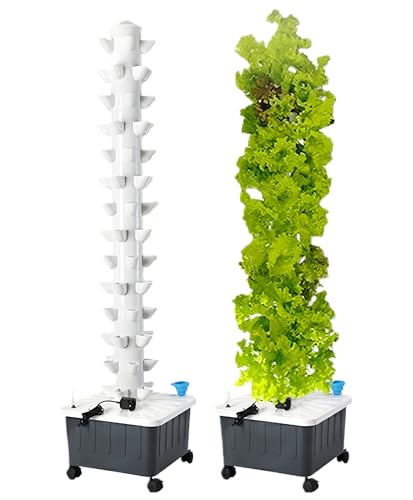
Best for: homes seeking a larger harvest from a compact footprint. This 14-layer setup accommodates up to 70 plant sites, enabling a wider variety of herbs, fruits, and vegetables. The system highlights mobility, with a movable water tank for flexible placement in kitchens, living rooms, or sunrooms. A caveat is that larger towers can be heavier and may require careful placement and stable anchoring in multi-story homes.
Why chosen
Its higher capacity means more consistent yields for those who want a steady supply of greens or want to grow a mix of crops in limited space.
What to watch
Movement during cleaning or refilling can affect stability. Plan for cable and tubing routing to keep pathways clear and safe.
ALTO GARDEN GX Hydroponic Tower
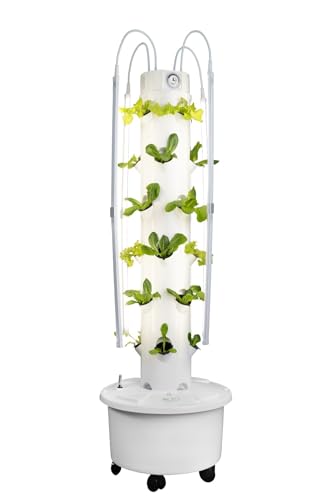
Best for: buyers wanting a self-contained, low-maintenance system with strong design. The GX model features a self-watering, self-lighting setup and a robust 2mm thick tower wall. Its large, 360-degree construction around each layer promotes better root space. It’s a good pick for clean, farm-to-table produce without ongoing service fees. The primary limitation is that the built-in lighting may require electricity access and adds to upfront cost.
Why chosen
The no-subscription model and sturdy build offer long-term simplicity and predictable operation, appealing to users who want a set-it-and-forget-it experience.
What to watch
Check electrical safety and ensure LED lighting is appropriate for your location and climate. Regular cleaning helps prevent algae buildup in a closed system.
KUCKGO Vertical Hydroponic Tower Garden

Best for: versatile indoor/outdoor setups with a compact footprint. This 6-layer, 30-pod tower is well-suited for strawberries, tomatoes, lettuce, herbs, and other vegetables. It includes a built-in pump and a water recycling system aimed at saving water while maintaining plant health. A potential limitation is the 6-layer height, which may require periodic pruning and careful plant selection to maximize space usage.
Why chosen
Its space-efficient design and 30-plant capacity provide a strong balance between yield and footprint, making it a versatile choice for apartments, balconies, or small greenhouses.
What to watch
Monitor water quality and pump activity to prevent clogs. Ensure the timer is set to appropriate cycles to maintain consistent moisture delivery.
MQHUAYU Vertical Tower Garden

Best for: compact, high-density growing enthusiasts who want to maximize pod count in a small area. The 7-layer tower supports up to 35 pods, designed for lettuce, berries, herbs, and small vegetables. It emphasizes a soil-free, nutrient-rich water system, helping reduce water usage by up to 90% compared with traditional soil gardening. A limitation is that access to lower pods may require some bending or rearrangement as plants mature.
Why chosen
The combination of high plant density and water-saving technology makes it attractive for urban gardeners who want a steady harvest of greens in a limited space.
What to watch
Because it’s designed for high-density planting, ensure good air circulation to prevent diseases. Regular nutrient management remains essential for consistent growth.
Buying Guide
What to consider when choosing a vertical aeroponic tower
- Space and footprint: Measure your available area and consider ceiling height for tall towers.
- Water management: Look for recirculating systems and clear pump/tank accessibility for maintenance.
- Plant types and capacity: Match the number of pods to the crops you plan to grow (lettuce, herbs, small fruits).
- Lighting: Decide if integrated grow lights are needed or if you’ll use natural light; consider electricity costs and heat load.
- Mobility and setup: Some towers are modular or movable; assess weight, assembly time, and disassembly needs.
- Maintenance: Check for leaky joints, cleaning access, and ease of cleaning to prevent algae buildup.
- Materials and safety: BPA-free plastics and UV resistance help longevity; verify food-grade components.
Vertical vs. horizontal growth considerations
- Vertical towers maximize small-space yields but require stable placement and height clearance.
- Hydroponic vs. aeroponic: Aeroponics can deliver faster growth with precise nutrient delivery, but may require more careful maintenance.
- Automation needs: Timers and pumps reduce hands-on watering, benefitting busy households, but add potential failure points.
Installation tips
- Place near a power source for pumps and lights, but away from direct heat sources.
- Run water lines neatly to avoid tripping hazards; use cable management for cords.
- Start with easy crops like lettuce, basil, and microgreens to learn system behavior.
Maintenance checklist
- Weekly: Check water level, clean reservoirs, and inspect tubing for clogs.
- Monthly: Inspect pumps, replace filters if present, and sanitize the tower to prevent algae.
- Seasonal: Reassess plant selection according to harvest goals and climate.
FAQ
- What is the main benefit of vertical aeroponic towers? They maximize yield per square foot, reduce water usage, and support year-round growing in compact spaces.
- Can these towers grow root vegetables? Most are optimized for greens, herbs, and small-fruit crops; root crops may need larger or different configurations.
- Do towers require soil? Most listed products use soilless systems (aeroponic or hydroponic) and rely on nutrient-rich water.
- Is lighting necessary for all setups? If you lack sufficient natural light, integrated grow lights help; otherwise, you can use ambient or sunlight.
- Are these easy to assemble? Many models advertise quick setup, but readiness depends on model and user familiarity with modular systems.
- How should I choose between these five options? Consider space, plant goals, and whether you prefer more pods, mobility, or built-in lighting and features.