Direct answer: For tropical freshwater planted aquariums, a balanced, nutrient-rich fertilizer that feeds both roots and foliage is essential. The top picks here cover fast-rooting root tabs, comprehensive liquid formulas, and chelated micro-nutrients that support vibrant color and healthy growth. This guide helps hobbyists choose the right product based on plant type, tank size, and maintenance approach. Each option is chosen for clear plant-responding results and safer use in mixed- species tanks.
| Product | Best For | Format | Notes |
|---|---|---|---|
| Crystalpro Flora Multi Minerals All-in-One Aquarium Plant Fertilizer | High-demand fast growers, stems, and leafy plants | Liquid, 4.2 oz | Phosphate- and silicate-free; all-in-one macro/micro nutrient blend |
| Seachem Flourish Tabs Growth Supplement | Root-zone feeding for rooted plants | Tabs, 10 count | Direct root fertilization with trace elements and vitamins |
| API Leaf Zone Freshwater Aquarium Plant Fertilizer | Colorful, hardy leaves and routine maintenance | Liquid concentrate / 8 oz bottle | Iron and potassium emphasis; provides essential micronutrients |
| API Leaf Zone Freshwater Aquarium Plant Fertilizer 18-Ounce | Balanced growth for larger tanks or ongoing upkeep | Liquid concentrate / 18 oz | Provides chelated iron and potassium; promotes sturdy leaves |
| Seachem Flourish Freshwater Plant Supplement | Comprehensive micro- and macro-nutrient support | 500 ml bottle | Broad-spectrum trace elements and essential nutrients |
Crystalpro Flora Multi Minerals All-in-One Review

What it is: An all-in-one liquid plant fertilizer designed to supply macro- and micro-nutrients in one bottle. The formula emphasizes a precise mineral blend for fast root development, strong stems, and lush foliage. Best for: nano to mid-sized planted tanks with moderate to high growth demands. Why selected: It combines essential nutrients without relying on fillers, and it is phosphate- and silicate-free to reduce algae risk. Caution: Overdosing can cause nutrient buildup in very small tanks; follow directions for weekly dosing.
Seachem Flourish Tabs Growth Supplement

What it is: Root tablets delivering essential trace elements, vitamins, and minerals directly to the root zone. Best for: rooted foreground and mid-ground plants that benefit from steady, localized nutrition. Why selected: Tabs provide direct, time-released nourishment that complements liquid fertilizers in mixed-species tanks. Caution: Not a substitute for liquid ferts in heavily populated or high-demand tanks; use as part of a balanced program.
API Leaf Zone Freshwater Plant Fertilizer 8-Ounce

What it is: A liquid fertilizer designed to support leaf color and overall plant vigor. Best for: small to medium tanks seeking a reliable, straightforward nutrient boost. Why selected: Focuses on essential nutrients that promote healthy, colorful leaves and reduce leaf yellowing. Caution: Requires regular dosing to maintain steady nutrient levels; avoid infrequent applications.
API Leaf Zone Freshwater Plant Fertilizer 18-Ounce
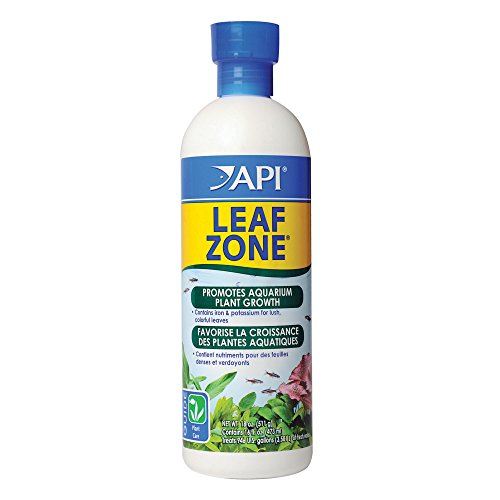
What it is: An extended version of Leaf Zone for larger tanks or longer maintenance intervals. Best for: hobbyists with medium to large planted tanks seeking ongoing growth support. Why selected: Maintains leaf health and color with a balanced micro- and macro-nutrient mix. Caution: As with all liquid fertilizers, avoid overdosing in small-volume tanks to prevent nutrient spikes.
Seachem Flourish Freshwater Plant Supplement

What it is: A comprehensive supplement containing micro-elements and trace nutrients, designed to support a natural, balanced aquarium ecosystem. Best for: tanks that host a variety of plant species and require a broad nutrient spectrum. Why selected: Provides essential elements such as potassium, calcium, magnesium, and iron in one bottle. Caution: Refrigeration after opening is recommended to preserve freshness; follow dosage guidelines to avoid excess nutrients.
Buying Guide: Key Considerations for Tropical Plant Fertilizers
- Tank size and planting density: Larger tanks with dense plantings typically need ongoing root and foliar feeding. Root-tabs work well for rooted plants in medium to large tanks, while liquids support foliage more broadly.
- Plant types: Fast-growing stem plants respond to balanced macro- and micronutrients, while rooted foreground plants benefit from root tabs. Colorful varieties may require iron and chelated micronutrients.
- Form factor and maintenance: Liquids are easy to dose and adjust, whereas tabs provide steady root feeding with less daily attention. In mixed tanks, a combination approach often yields the best results.
- Algae risk: Formulas free of phosphates and silicates reduce algae risk in sensitive setups. Always monitor nutrient balance to avoid green water or filamentous algae.
- Stability and storage: Some products benefit from refrigeration after opening. Store away from direct sunlight and heat to preserve potency.
Frequently Asked Questions
- What fertilizer should I start with for a new tropical planted tank? Start with a balanced liquid fertilizer to support both root and foliar growth, then add root tabs for rooted plants as needed.
- Are root tabs necessary if I use a liquid fertilizer? They complement liquids by delivering nutrients directly to roots, improving uptake for rooted plants in the substrate.
- Can too much fertilizer harm my tank? Yes. Overdosing can lead to algae blooms and poor water quality. Follow manufacturer dosing guidelines and monitor plant response.
- Should I use chelated iron in my fertilizer routine? Chelated iron helps prevent iron precipitation in water and improves uptake by plants, especially in high pH tanks.
- How often should I dose Seachem Flourish or API Leaf Zone? Most tanks benefit from weekly dosing; some schedules use 2–3 times per week for high-demand plants. Adjust based on plant response and tank needs.
- Is refrigeration required for all fertilizers? Not all; some products specify refrigeration after opening. Always check the label for storage directions.