Answering the common question, which raccoon repellents work best for lawns, this guide highlights five effective, plant-based options to deter raccoons from your yard, garden, and outdoor living spaces. Each product is summarized for who it’s best for, plus clear pros and cautions to help you decide. Ideal for homeowners with children, pets, or a garden they want to protect, these picks emphasize natural ingredients and safe application.
| Product | Brand | Best For |
|---|---|---|
| Raccoon Repellent Outdoor Spray Concentrate 32 oz | Leaves and Soul | Yards with mixed plantings; easy quick-dilute application |
| NatureStop Raccoon Repellent Spray, 16 oz | NatureStop | Families seeking a ready-to-use spray with natural oils |
| Bonide Repels-All Animal Repellent Granules, 3 lbs | Bonide | Large lawns, borders, and garden perimeters needing long-lasting protection |
| 24 Pack Raccoon Repellent Peppermint, Mesh Bags | Motrapso | Outdoor spaces where you want a visible, place-and-forget solution |
| 36 Pack Natural Skunk and Raccoon Repellent Outdoor | Motrapso | Multi-area protection across yard, patio, and garden with extended coverage |
Raccoon Repellent Outdoor Spray Concentrate

This spray concentrate uses a plant-based mix designed to deter raccoons with strong scent and taste cues. It’s built to protect yards, gardens, and lawns, especially around plants, shrubs, and entry points. Best for homeowners who want a natural alternative to harsh chemicals and who can mix the solution to spray on borders, pathways, and lawn edges. A caution is to follow dilution and application guidelines to minimize unintended effects on non-target flora and visiting wildlife.
NatureStop Raccoon Repellent Spray

NatureStop blends natural oils into a ready-to-use spray designed to discourage raccoons around yards and gardens. The formula emphasizes pet and family safety when used as directed and avoids overpowering chemical odors. It’s ideal for quick applications to trash cans, fence lines, porches, and garden borders. Choose this if you want a straightforward spray with oils meant to be gentler on indoor air quality and outdoor spaces.
Bonide Repels-All Animal Repellent Granules — 3 lbs
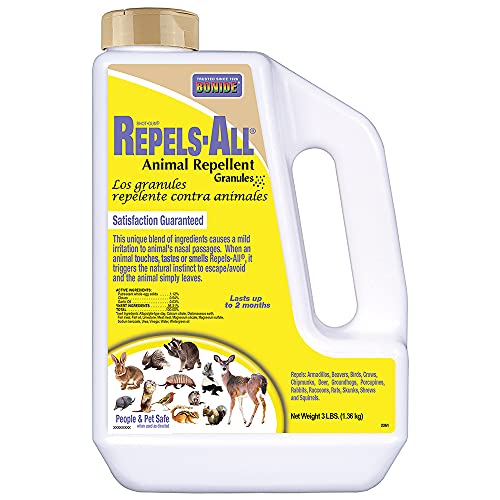
These granules create a deterrent that irritates animals’ nasal passages, encouraging them to leave. The product claims a wide range of affected species, including raccoons, and is intended for use around homes, gardens, and storage areas. Best for larger areas where a long-lasting, spread-around solution is practical. Use with caution near edible plants and ensure pets and children have limited access during initial application.
Raccoon Repellent Peppermint Mesh Bags — 24 Pack

These ready-to-use mesh bags contain peppermint-based repellent balls. They’re designed for indoor and outdoor use, including yards, attics, porches, and near entry points. Best for users who prefer a visual, odor-based deterrent that can be hung or placed around problem areas. A limitation is that scent-based effectiveness can vary with wind and weather conditions.
Natural Skunk and Raccoon Repellent Outdoor — 36 Pack

This set uses natural essential oils like peppermint and cedarwood to deter raccoons and skunks outdoors. The 36-pack option provides broad-area coverage for yards and gardens and is designed for long seasons. Best for homeowners needing repeated or extended protection across multiple zones. Limitations include the need for reapplication after rain and for areas with consistent strong winds reducing scent effectiveness.
Buying Guide: How To Choose The Right Raccoon Repellent For Lawns
Key considerations help you pick a product that aligns with your yard, pets, and maintenance preferences.
What kind of formula should I choose?
Plant-based oils and scents are generally safer for families and pets, though some homes prefer granules for longer outdoor coverage. Ready-to-use sprays are easy for quick spot treatment, while concentrates offer potential cost savings and customization with dilution control.
Is it safe for pets and kids?
Look for products labeled as pet-safe when used as directed. Natural ingredient blends typically reduce risk, but always follow label instructions and avoid spraying directly on edible plants or play areas unless specified.
How long does protection last?
Protection duration depends on weather and exposure. Ready-to-use sprays may need reapplication after rain, while granules or mesh bags may last longer but still require periodic checks and replacements in active raccoon zones.
Where should I apply them?
Focus on entry points, garbage areas, garden borders, compost piles, bird feeders, and near crawl spaces or sheds where raccoons are active. Target zones with plants attractive to wildlife and any easily damaged garden beds.
How do I handle multiple problem areas?
For larger properties, a combination approach often works best. Use granules along property lines and place ready-to-use sprays at high-activity zones. Mesh-bag repellents can be rotated through attics, sheds, and patios for consistent deterrence.
What about weather and seasonal changes?
Wind and rain can diminish scent-based deterrents. In wet or windy conditions, reapply more frequently and consider pairing scent-based methods with physical barriers (fencing, secured trash cans) to reinforce deterrence.
How should I monitor effectiveness?
Track raccoon activity after initial application. If you still notice raiding or digging, adjust the frequency of applications, switch to a different formulation, or expand the treated areas to address all attractants and entry points.
Additional tips for integrated pest management
Combine repellents with habitat modification: secure attractants, prune low-hanging branches that give access to roofs, seal openings to crawl spaces, and maintain clean trash containment to reduce appeal.
FAQ
- How often should I reapply raccoon repellents?
- Are these repellents safe for gardens with edible plants?
- Can I use multiple products together?
- What’s the best option for a large yard?
- Do repellents work on other wildlife besides raccoons?
- What should I do if a raccoon continues to invade after using repellents?
Answers: Reapply according to label directions, especially after rain. Yes, most plant-based formulas are designed for use around edibles when directed. You can combine products, but avoid overapplication in one spot and ensure pets and children are excluded during application. For large yards, a perimeter-focused approach with granules and strategic sprays often yields better coverage. Some products deter multiple animals; read the label to verify target species. If activity persists, increase treated areas and consider additional deterrents like fencing or secure storage for attractants.
Quick starter checklist
- Identify raccoon hotspots (garbage areas, gardens, entry points).
- Choose a mix of ready-to-use spray and long-lasting granules for coverage.
- Plan seasonal reapplication based on rainfall and animal activity.
- Keep pets safe by following usage directions and applying away from play zones.
- Monitor results and adjust as needed for complete deterrence.
Final notes
When choosing among these products, consider your yard size, the number of problem areas, and whether you prefer ready-to-use sprays, concentrates, or encapsulated balls. The selected options emphasize natural ingredients, family safety, and practical application, helping you maintain a raccoon-free lawn without resorting to harsh chemicals.