If you’re trying to keep dogs out of flower beds, the right mix of deterrents, barriers, and clear signage can protect your plants without harming pets. This guide highlights five practical products that are easy to deploy, explain who they’re best for, and compare their strengths. Ideal buyers include homeowners with small yards, renters needing temporary solutions, and gardeners seeking pet-safe options. Use the buying guide to pick the best fit for your space and routines.
| Product | Best For | Key Benefit | Notes |
|---|---|---|---|
| Bonide Go Away! Repellent Granules (1 lb) | Small to medium yards | Natural deterrents with cinnamon and thyme oils | Training aid; follow directions for safety |
| Goovilla Garden Fence (10 ft x 24 in) | Defined beds and borders | Sturdy metal barrier; multiple panels | Best for physical separation |
| FemiaD Please Keep Dogs Out Yard Sign | Visible reminders | Weatherproof aluminum with stake | Low-cost visual cue |
| Houseuse Keep Dogs Out Yard Sign | Public-facing areas | Rustproof, durable aluminum | Clear instruction for passersby |
| Bonide Go Away! Repellent Granules (3 lb) | Larger beds and lawns | Stronger granules for bigger areas | Training aid; use with other methods |
Bonide Go Away! Repellent Granules (1 lb)

Best for small garden borders and flower beds, these granules provide a natural deterrent to cats, dogs, and rabbits. The active ingredients, cinnamon oil and thyme oil, create a scent-based cue that helps redirect pets away from treated areas. They are described as pet-safe when used as directed and can serve as a training aid. However, they may work best when combined with other training methods to address ongoing behaviors.
- Best for: first-line defense along lawn edges and planter borders
- Compatible use: outdoors in flower beds, mulch, and garden perimeters
- Limitation: may require reapplication after rain or heavy watering
Goovilla Garden Fence (10 ft x 24 in)

This total fencing solution is designed to create a physical barrier around flower beds and garden edges. Made from sturdy metal with a rustproof coating, it’s suitable for year-round outdoor use. The set includes multiple panels and stakes to secure the barrier, making it effective for deterring a range of small animals. Best for: households needing a durable, non-toxic barrier to prevent digging and entry into protected zones.
- Better for: creating a defined boundary around beds
- Limitation: not ideal for blocking large animals
- Tip: combine with ground stakes for stability in windy areas
FemiaD Please Keep Dogs Out Yard Sign

Clear, polite reminders can be an effective non-digital deterrent in residential settings. This aluminum yard sign is weatherproof and fade-resistant, designed to withstand outdoor conditions while signaling dogs (and people) to stay away from plantings. Best for: informing neighbors or passersby of yard boundaries without confrontation. A potential limitation is that signs rely on visibility and compliance rather than enforcement.
- Best for: passive deterrence in visible locations
- Limitation: effectiveness depends on frequent visibility
- Tip: place at dominant viewpoints near flower beds
Houseuse Keep Dogs Out Yard Sign

This 7×8.8-inch aluminum sign comes with a sturdy stake, designed to deter dogs from flower beds and plantings while remaining resistant to rust and weather. It communicates a clear instruction to keep dogs off the lawn and beds, making it a practical option for yards with visible foot traffic and neighboring pets. Best for: quick installation and clear messaging in high-traffic areas. Limitation: single-use signage may require replacement over time due to sun exposure.
- Better for: reinforcing boundaries in busy yards
- Limitation: may need seasonal replacement in extreme sun
- Tip: pair with a barrier for stronger effect
Bonide Go Away! 3 lb Repellent Granules
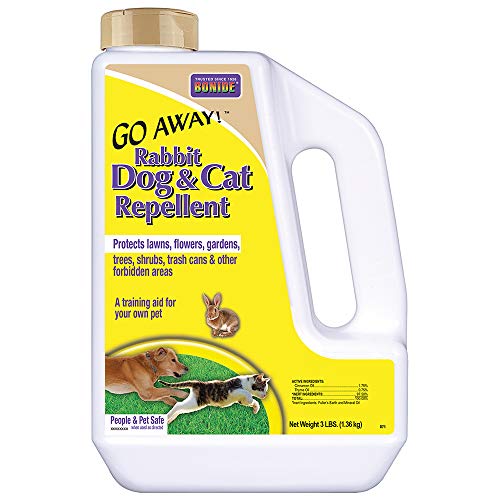
For larger beds or lawns, the 3-pound bag expands the reach of the same cinnamon- and thyme-based deterrent. This option is best for multi-bed areas or larger landscapes where pets frequently roam. It functions as a training aid to modify behavior over time but should be paired with other strategies for best results. Best for: bigger outdoor spaces where pets regularly traverse near plantings.
- Best for: expanding coverage across larger zones
- Limitation: may require more frequent applications in wet conditions
- Tip: apply along the drip line of beds for maximum contact with pet routes
Buying Guide: How To Choose The Right Solution
What type of deterrent should you choose? Decide between physical barriers, scent-based repellents, and visible reminders based on your yard’s size, layout, and pet behavior. Physical barriers like Goovilla fences work well for defined borders and can be combined with signage for reinforcement. Scent-based repellents offer a non-contact approach but may require regular reapplication after rain. Signage is inexpensive and works best in areas with steady foot traffic or when multiple households share a space.
How important is durability? For permanent landscaping, metal fences and aluminum signs provide long-lasting protection against weather. For renters or seasonal use, lighter options like granules and temporary signs can be moved or stored when needed. Consider whether you need waterproof, UV-resistant, or rustproof materials for your climate.
How should you apply these methods together? Start with a visible barrier or sign to establish boundaries. Use scent-based repellents to reinforce the message near the beds, and monitor pets’ behavior to adjust placements and timing. Reapply granules after rain and refresh signs when faded. Always follow product label directions for safety around pets and children.
Quick Decision Checklist
- Bed size and layout: Is a fence feasible or is a sign-based approach enough?
- Pet habits: Do dogs dig, or mainly roam near beds?
- Climate: Is the area prone to heavy rain that would wash away granules?
- Budget: Is a multi-method approach within your means?
- Maintenance: Do you prefer low-maintenance solutions or adjustable, reusable options?
FAQ
- What’s the most effective method to keep dogs out of flower beds?
– A combination of a physical barrier and clear reminders tends to work best for most yards, especially when reinforced with scent-based deterrents or training. - Are these products safe for pets and kids?
– Most are designed to be safe when used as directed, but always read labels and follow application guidelines to minimize exposure for curious pets and children. - Will signs deter dogs from private property?
– Signs are most effective when placed in visible areas and combined with other barriers in high-traffic zones. - Do scent repellents require reapplication?
– Yes, especially after rain, watering, or wind; reapply according to the product’s instructions. - Can I use these methods indoors?
– Most are outdoor-focused; indoor use is not advised unless specifically labeled for indoor use.