When choosing plastic liners for metal planters, the goal is to protect planter walls, manage moisture, and fit irregular shapes without sacrificing plant health. The following five products offer practical options for metal containers, ranging from simple inserts to reusable liners that help maintain moisture and reduce soil contact with metal surfaces. This guide helps buyers pick liners by container type, climate, and watering needs.
Summary table of selected products:
| Product | Best For | Key Benefit | Limitations |
|---|---|---|---|
| Yarrdfir Coco Coir Liner | Organic decor, flexible sizes | Natural coconut fiber liner for mixed uses | Not a traditional plastic liner; may require extra protection for very wet pots |
| OAKENZ Square Planter Box Liner Bag | Wood, concrete, metal planters | Waterproof, moisture retention, plant-safe | Large size; may not suit very small boxes |
| Clear Plastic Liners Inserts (12 Pack) | Rectangular planters | Transparent, multiple packs for replacements | Not a single-use option; plastic thinness varies |
| Domensi 25 Pcs Plastic Liners | Windowsills and wooden pots | Thicker, durable, numerous quantity | Not metal-specific; verify fit |
| Curtis Wagner Plastics Plant Tray Basket Liner (5-Pack) | Indoor/outdoor use, various pots | Open drainage design, protects surfaces | Tray emphasis rather than deep pot compatibility |
Yarrdfir Coco Coir Liner for Planters and More
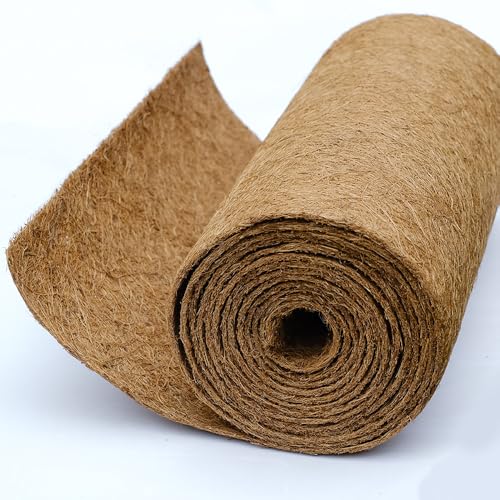
Best for buyers seeking a natural, versatile liner that doubles as decor. This coconut fiber liner is 12×80 inches and can be cut to fit various containers, including metal planters when used as a flexible wrap or wrap-around liner. It’s suitable for hanging baskets, window boxes, and garden decorations, as well as non-plant uses like reptile carpets or snow mats, making it a multi-purpose option. Caution: Coconut fiber can dry out faster in very hot climates; consider pairing with a moisture-retentive base or drip irrigation. This is ideal for buyers who want an eco-friendly, natural look and planters with irregular shapes or larger spans.
OAKENZ Square Planter Box Liner Bag

Best for metal planters needing a waterproof, plant-safe moisture barrier. This liner fits square boxes up to 18×18 inches and provides a simple, clean fit that reduces soil contact with planter walls. It’s designed to be flexible and press neatly into corners, helping to minimize water leakage and staining. Caution: Designed for a range of materials; verify exact fit with your metal box dimensions before purchase. Chosen for those wanting a sturdy, reusable option that supports moisture retention without excessive bulk.
Clear Plastic Liners For Wood Boxes (Pack of 12)

Best for standards-sized wooden or metal planters requiring a clean, transparent insert. These liners come in a pack of 12 with dimensions to fit 12″ planters (10.5”x 3” x 3.5”). The clear plastic allows soil visibility and easy monitoring of moisture. Best for replaceable liners in metal planters where you want to see soil moisture at a glance. Caution: These liners are designed for rectangular shapes; round planters may require alternative liners. Chosen for affordability and straightforward replacement.
Domensi 25 Pcs Plastic Liners for Planters

Best for large-scale use with many planters or windowsills. This package includes 25 clear rectangular liners, each about 16.2 x 3 x 3.5 inches. They provide a sturdy, thicker plastic that resists cracking and supports year-round use. They’re convenient for protecting wooden or metal containers from water damage and stains. Caution: Only fits rectangular containers of the specified size; measure your pot before ordering. Selected for bulk replacement needs and a robust, lightweight profile.
Curtis Wagner Plastics Plant Tray Basket Liner
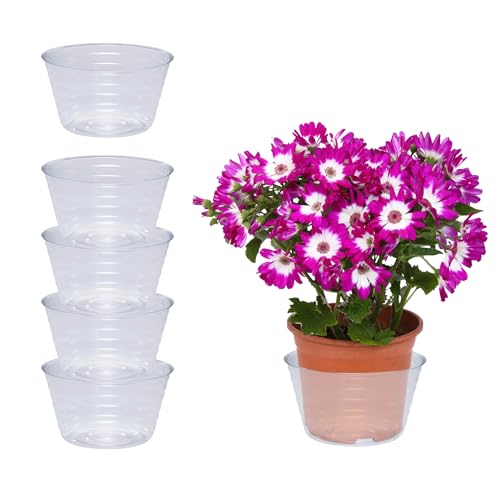
Best for indoor-outdoor setups needing a protective tray liner with good drainage. These 5-pack deep, clear, thin plastic liners are designed to shield pot interiors and surfaces from excess moisture while allowing airflow. They fit several pot styles with a drip-friendly bottom design. Caution: They are liners for trays and smaller pots; ensure your planter’s dimensions align with the liner size. The selection is ideal for drip trays and quick replacements that prevent water damage.
Buying Guide: Key Considerations for Plastic Liners
- Container type and size: Measure your metal planter’s interior width, depth, and shape to ensure a snug fit.
- Moisture management: Decide if you need moisture retention (for dry climates) or excellent drainage (for over-water-prone setups).
- Material durability: Consider thinner single-use liners for occasional use and thicker, reusable liners for long-term projects.
- Drainage compatibility: If the liner is not perforated, plan for drainage holes or use a secondary drip tray.
- Aesthetic and purpose: Natural fibers offer a decorative look; clear plastics allow moisture monitoring; opaque plastics hide soil color better.
- Installation ease: Some liners press into corners easily; others may need trimming or reinforcing for irregular metal shapes.
- Replacement frequency: Pack sizes and durability influence how often liners will need replacement in ongoing projects.
Frequently Asked Questions
- Are plastic liners safe for metal planters? Yes, provided they fit properly and allow drainage to prevent water pooling against metal walls.
- Can liners prevent rust on metal planters? Liners reduce direct soil contact with metal, which can help minimize staining and direct moisture contact, but they do not seal against rust.
- How do I choose between natural fiber and plastic liners? Natural fibers offer an eco-friendly look but may require more moisture management. Plastic liners are durable, low-maintenance, and available in various sizes.
- Should I trim liners to fit odd shapes? Yes, many liners can be cut with scissors to fit irregular metal planters; ensure a snug fit to prevent shifting.
- Do liners affect plant health? Liners mainly influence moisture delivery and soil containment. Ensure that the plant’s water needs align with your liner’s drainage design.
- How often should liners be replaced? Replacement frequency depends on material quality and environmental conditions; inspect liners for wear, cracking, or leakage regularly.