The pink Rose of Sharon, or hibiscus syriacus, offers vibrant summer color, drought-tolerant growth, and pollinator-friendly blooms. This guide highlights five suitable varieties to help American gardeners choose for landscapes, borders, or focal specimens. Each entry notes who the plant is best for, why it stands out, and a practical caveat. A quick buying table follows to compare key points at a glance.
Quick buying table for selected pink Rose of Sharon varieties
| Product | Best For | Size / Maturity | Key Benefit |
|---|---|---|---|
| 3 Rose of Sharon Live Plants | Hedge-like borders | 4-inch container; mature shrub | Abundant light pink blooms all summer |
| 2 Pink Aphrodite Shrubs | Continuous color in small spaces | 10-16″ tall; quart pots | Prolific blooms; pollinator-friendly |
| Pink Rose of Sharon in Quart Pot | Colorful foundation planting | Quart pot; fast-growing | Vibrant, reliable blooms |
| TriStar Pink Rose of Sharon | Larger landscape plantings | 1 gallon; up to 12’ tall | Cold-tolerant; strong growth |
| Proven Winners Paraplu Pink Ink | Structured flowering shrub | 4.5″ pot; 5-8 ft tall | Wide, tall habit with pink blooms |
3 Rose of Sharon Live Plants, Light Pink

Best for gardeners seeking an instant presence in a small garden or as a flowering hedge anchor. This set arrives in a 4-inch container, ready for transplanting. It produces abundant light pink blooms across the summer, creating a hibiscus-like display. The plant matures into a tree-form shrub with a naturally rounded crown, ideal as a focal point or a defined privacy edge. A limitation to note is that container-grown plants may need careful watering and midday shade in hotter climates during establishment.
2 Pink Aphrodite Rose of Sharon Shrubs

Best for small spaces and color-driven beds. This pair arrives as 10-16 inch shrubs in quart pots, ready to establish quickly in spring. They offer a prolific bloom display that lasts for weeks and attract pollinators—bees, butterflies, and hummingbirds—supporting a healthy garden ecosystem. A potential drawback is their smaller size at delivery, which means you’ll want a planned layout to ensure instant impact as they grow.
Pink Rose of Sharon Plant in Quart Pot

Best for adding a burst of color to a mixed border or as a spotlight plant in a sunny yard. This quart-pot shrub is noted for vibrant, colorful blooms and fast growth, suited to USDA zones 5-9. It can reach 8-12 feet tall over time, so plan space for eventual height and consider a sunny location to maximize flowering. A limitation to watch is potential space needs as the plant matures into a taller, wider shrub.
TriStar Pink Rose of Sharon

Best for larger landscape plantings and colorful privacy hedges. This pink Rose of Sharon comes established in a 1-gallon pot and can reach up to about 12 feet tall and 10 feet wide, offering a bold presence for yards or parks. It prefers full sun and is cold tolerant, supporting a long growing season. A caution is that very large specimens require ample space and maintenance to prevent overcrowding as they mature.
Proven Winners Paraplu Pink Ink Rose of Sharon

Best for gardeners who want a tall, structured flowering shrub with consistent pink blooms. This live plant typically reaches 5-8 feet tall and 4 feet wide at maturity, hardy in zones 5-9, and should be planted in full sun for best flowering. It is a reliable choice for a formal or semi-formal border. A caveat is that it requires full sun to achieve maximum blooming; partial shade can reduce flowering intensity.
Pink Chiffon Hibiscus (Proven Winner) 4″ Pot
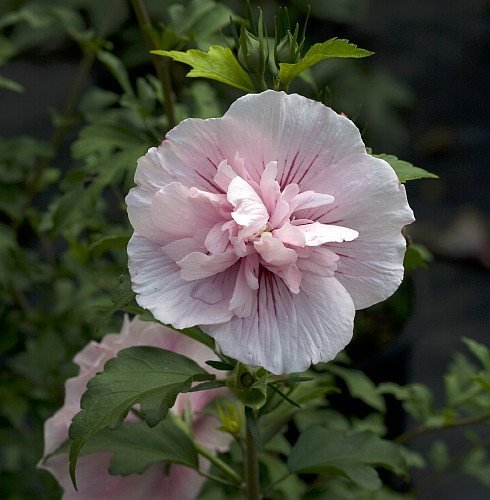
Best for a classic paperback-pink display along fences or entryways. Pink Chiffon Hibiscus is a proven winner with a compact 4″ pot profile, maturing to 8-12 feet tall in sun. It is easy to integrate into existing beds and is well-suited for color-coordinated plantings. The main limitation is its eventual height; ensure you have vertical clearance and space for growth to avoid crowding nearby plants.
Rose of Sharon Plant Live 6-13 Inch Tall

Best for compact, decorative hedges or border accents in sunny spots. This UIOTER option provides a pink Rose of Sharon in a smaller pot range (6-13 inches tall at purchase) with mature potential as a flowering shrub. It tolerates full sun to part shade and prefers well-drained soils. A limitation is the initial small size, which may require several seasons to reach a more impactful height.
Buying Guide: Key Purchase Considerations
- Sun exposure: Most pink Rose of Sharon varieties prefer full sun for the best bloom production. Some tolerate light shade but flowering may be reduced.
- Soil and drainage: Ensure well-drained soil; hibiscus shrubs dislike soggy roots. Amend heavy soils with compost for better drainage and moisture retention.
- Size and form: Consider mature height and width when selecting a variety to avoid overcrowding and to meet landscape goals (hedge, focal point, or corner accent).
- USDA zones: Check zone compatibility. Many pink cultivars thrive in zones 5-9; colder regions may require protective measures in winter.
- Pollinator appeal: Pink blooms attract butterflies and bees. If pollinator support is a goal, prioritize varieties with prolific flowering and nectar-rich blossoms.
- Watering: Newly planted shrubs need consistent moisture while established plants are more drought-tolerant. Rapid establishment benefits from mulch to conserve soil moisture.
- Maintenance: Pruning after flowering helps maintain shape and fosters dense bloom cycles. Understand each variety’s growth habit to plan pruning needs.
FAQ — Pink Rose of Sharon Varieties
- What is the best pink Rose of Sharon for a small garden?
– Varieties grown in quart pots or smaller sizes (like 10-16″ shrubs) are well-suited for tight spaces and container gardens. - Do pink Rose of Sharon shrubs attract pollinators?
– Yes. Many pink cultivars attract butterflies, bees, and hummingbirds, supporting garden ecosystems. - How tall does a pink Rose of Sharon get?
– Growth varies by cultivar; common pink varieties reach 8-12 feet tall, with some growing taller in favorable conditions. - When should I plant a Rose of Sharon?
– Plant in spring after the last frost or in early fall where winters are mild. Ensure planting in full sun for best flowering. - Can I grow Rose of Sharon in partial shade?
– It tolerates some shade, but flowering may be reduced. Full sun provides the best bloom display. - Are these plants hardy in cold climates?
– Many pink varieties are hardy in USDA zones 5-9; verify zone compatibility for each cultivar before planting.