Find the best Pee Gee hydrangea trees and related live shrubs for a dramatic summer-to-fall display. This guide highlights five top choices, explains who they’re best for, and why they stand out. Ideal buyers include landscape designers seeking focal plants, homeowners aiming for garden borders or foundation planting, and those wanting easy-care shrubs that transform with the season.
Summary of featured products
| Product | Best For | Key Feature |
|---|---|---|
| Pee Gee Hydrangea — 2 to 3 Feet Tall | Moderate to large gardens seeking fast impact | Ready-to-plant, 2–3 ft height, zone 3–8 |
| Pee Gee Hydrangea Grandiflora — 1 Plant | Accent shrub with pink-white blooms | Cone-shaped blooms; easy to grow |
| Pee Gee Hydrangea Grandiflora — 3 Plants | Hedges or focal group plantings | Multiple plants for coverage |
| Pee Gee Hydrangea Grandiflora — 5 Plants | Larger landscape installations | Multiple plant pack for strong display |
| 1 Gallon Pee Gee Hydrangea Bare Root Tree | Cold-hardy trees with ivory-white blooms | Bare root to start; long-term growth |
Pee Gee Hydrangea — Live Plant Shipped 2 to 3 Feet Tall
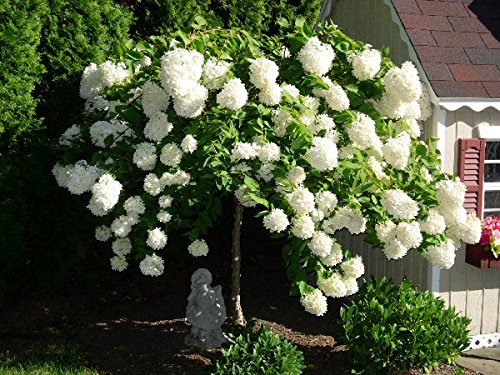
This plant is described as ready to plant, shipped at 2–3 feet tall, and suitable for zones 3 through 8 with morning sun and afternoon shade. It’s best for gardeners who want a quick-to-establish specimen that forms a strong focal point or border plant in a mixed landscape. The product notes emphasize proper planting after arrival and that deciduous features can vary seasonally, with leaves absent in winter. A cautious note: California orders will be packaged according to state regulations, which may affect delivery timing and handling.
Who it’s best for: Homeowners seeking a ready-to-plant Pee Gee hydrangea tree that provides early impact in cooler or milder climates. Good for border edges, entryways, and foundation plantings where morning sun and afternoon shade occur.
Why selected: It combines a compact height with proven hardiness (zones 3–8) and a straightforward planting protocol, making it well-suited for quick landscape enhancement.
Caution/limitation: Ensure you follow the included planting instructions; the plant’s appearance may vary until established and leaves disappear in winter for deciduous species.
Pee Gee Hydrangea Live Plants – Grandiflora (1 Plant)
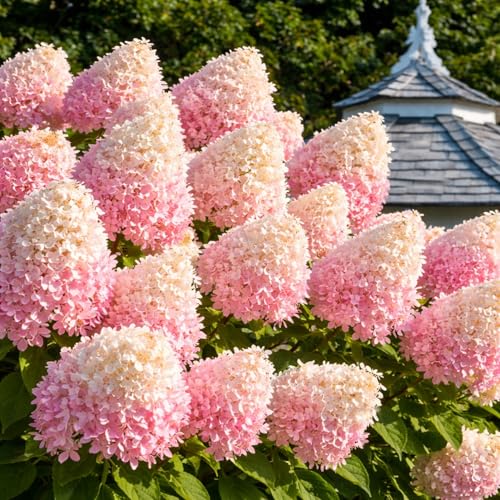
This plant features large cone-shaped blooms that start creamy white and gradually turn soft pink, delivering a two-tone display from summer into fall. It grows into an impressive landscape shrub or small tree, ideal as a focal point, border accent, or foundation planting. It’s described as easy to grow and low maintenance, thriving in full sun to partial shade and adapting to many soil types.
Who it’s best for: Gardeners wanting a striking, color-shifting display with strong visual impact in a single-plant installation.
Why selected: The two-tone bloom and versatility as a focal point make it a standout choice for American gardens seeking drama without complexity.
Caution/limitation: Bloom timing and color intensity depend on sun exposure and soil conditions; in extreme heat, provide afternoon shade to maintain color quality.
Pee Gee Hydrangea Grandiflora — 3 Plants
This 3-plant pack offers multiple Pee Gee hydrangeas that share the same cone-shaped blossom form and color progression. It’s ideal for creating clusters, mass borders, or a more substantial landscape presence. The plants are described as large, hardy shrubs suitable for a variety of garden styles and soil types, with a focus on vivid seasonal color changes from summer to fall.
Who it’s best for: Gardeners planning to establish a cohesive planting scheme with repeated specimens for a stronger visual impact.
Why selected: A multi-plant option helps achieve quick coverage and consistent bloom display across a landscape feature.
Caution/limitation: Availability of uniform size and bloom intensity may vary; planning staggered flowering times can help maintain year-long interest.
Pee Gee Grandiflora — 5 Plants
This five-plant pack is designed for larger landscapes where multiple Pee Gee hydrangeas are needed to form a dramatic, cohesive display. The plants share the same robust growth characteristics and color-changing blooms. They’re described as hardy and suitable for various garden settings, from borders to focal plantings.
Who it’s best for: Landscape projects requiring rapid, high-impact coverage and a consistent bloom aesthetic across a wider area.
Why selected: A bulk-pack option accelerates the creation of a lush, uniform look with less effort per plant over time.
Caution/limitation: Bulk deliveries may arrive at different stages of dormancy or bloom; plan staggered planting and irrigation accordingly.
1 Gallon Pee Gee Hydrangea Bare Root Tree — White Hydrangea

This bare-root tree-style Pee Gee hydrangea is described as a dormant plant measuring about two feet in length, with potential to grow into a substantial flowering tree. It notes the plant can be a strong choice for the coldest zones and can mature to a height that supports a tree-like presence in the landscape. It emphasizes a sheltered planting location with well-drained, moisture-retentive soil and morning sun, afternoon shade.
Who it’s best for: Gardeners seeking a long-term, tree-like hydrangea form that can anchor a garden bed or entry area as it matures.
Why selected: Bare-root trees offer a classic hydrangea shape with potential for a strong vertical focal point over time.
Caution/limitation: Bare-root plants require careful handling and proper establishment so that root systems can establish well after planting.
Buying Guide: Pee Gee Hydrangea Trees And Related Shrubs
What size should I start with?
If you want quick impact, choose 2–3 ft juveniles or larger and plant in a sunny-to-partial shade site. For budget-conscious options, 6–12 inch bareroots can grow into impressive specimens over a few seasons with consistent care.
Which variety fits my climate?
Pee Gee hydrangeas (Panicle hydrangea) tolerate a wide range of conditions, especially zones 3–8. For scorching southern locales, provide afternoon shade and mulch to conserve moisture. In cooler northern regions, ensure adequate spring warmth and protect from late frosts if possible.
How much sun do they need?
Most Pee Gee hydrangeas perform best in full sun to partial shade. Morning sun with afternoon shade helps maintain bloom quality and prevents leaf scorch in hot afternoons.
What care is required after planting?
Water regularly during the first growing season, prune after flowering to shape and promote airflow, and monitor soil moisture. Mulching helps regulate soil temperature and moisture. Avoid heavy, late-season pruning that may reduce next year’s bloom.
Should I buy in bulk or individually?
Bulk packs are ideal for creating cohesive landscapes or hedges. Individual plants allow precise placement for focal points or small borders. Consider your yard size, budget, and desired visual impact when choosing a pack size.
What are common limitations to expect?
Color intensity and bloom timing depend on sun exposure and soil conditions. Some plants may arrive with limited leaves if dormant, especially in winter or after shipping. Bare-root trees require careful establishment for successful growth.
How to plant and care for Pee Gee hydrangea trees
Plant in well-drained, moisture-retentive soil with good organic matter. Position in a location with morning sun and afternoon shade if possible. Water deeply after planting and maintain steady moisture through the first growing season. Apply a balanced fertilizer according to product directions after the plant shows new growth in spring.
FAQ
- Q: Are Pee Gee hydrangeas true trees or shrubs?
- A: They are often grown as large shrubs or small trees, depending on cultivar and pruning. Panicle hydrangeas can reach tree-like forms with proper training.
- Q: Do Pee Gee hydrangeas bloom the first year?
- A: Blooming in the first year is possible with well-established plants and proper care, but many will begin blooming in the second year after establishment.
- Q: What soil type do they prefer?
- A: They tolerate a variety of soils but perform best in well-drained, moist soils rich in organic matter.
- Q: Can they handle cold winters?
- A: Pee Gee hydrangeas are hardy in zones 3–8, though extreme cold or late frost may affect buds and growth.