Blazing star wildflowers, especially Liatris species, offer tall, striking purple blooms that attract bees, butterflies, and hummingbirds. This guide highlights five top options suited for American gardens, native habitats, and pollinator projects. The featured seeds and bulbs suit different growing conditions and maintenance levels, from drought-tolerant perennials to easy-to-grow bulbs. Use this article to choose the right blazing star for your climate, soil, and desired garden effect. The quick-reference table below helps compare key traits at a glance.
| Product | Best For | Type | |
|---|---|---|---|
| Dense Blazing Star (Liatris spicata) | SURVIVAL GARDEN SEEDS | Pollinator-rich border or prairie restoration | Seeds | High germination; drought-tolerant perennials |
| Northern Blazing Star Liatris scariosa Meadow Wildflowers Premium Seeds | Native meadows and rain gardens | Seeds | Heirloom style; easy-to-grow |
| KVITER 600 Marsh Blazing Star Seeds (Liatris Spicata) | Gardens and containers; tall color accents | Seeds | 60 days cold stratification; 3–4 weeks sprout |
| Everwilde Farms – 125 Meadow Blazing Star Native Wildflower Seeds | Long-term storage and gifting seed packets | Seeds | Gold Vault packaging; native types |
| Votaniki Giant Liatris Spicata Bulbs | Immediate height and color with reliable blooms | Bulbs | Bulbs provide quicker display; needs well-drained soil |
Dense Blazing Star Seeds – SURVIVAL GARDEN SEEDS
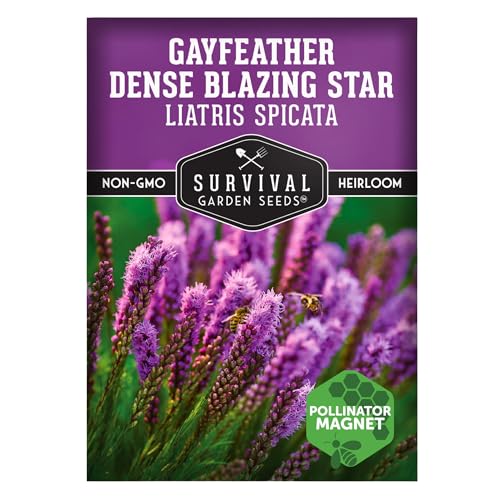
Best for: Pollinator gardens needing late-season nectar. This open-pollinated, non-GMO LIATRIS spicata set provides high germination in USDA zones 3–9 and thrives in full sun with minimal water once established. Its tall, 3–4 foot spikes attract bees, monarchs, and hummingbirds. This choice suits growers seeking a native, drought-tolerant perennial that self-seeds to expand displays.
Caution: Requires full sun and well-drained soil for best establishment; deer resistance is natural but not guaranteed in all locales.
Northern Blazing Star Liatris scariosa Meadow Wildflowers Premium Seeds

Best for: Native meadow restorations and informal prairie-style borders. These premium seeds emphasize heirloom-type genetics with native appeal. They prefer dry to moderately moist soils and full sun, attracting pollinators across the season.
Why selected: Emphasizes native status and suitability for long-term pollinator habitat projects.
Caution: Establishment may be slower in very hot climates; ensure adequate soil moisture during germination in drought-prone areas.
KVITER 600 Marsh Blazing Star Seeds

Best for: Tall upright color in meadows, borders, or native landscapes. These seeds emphasize high germination potential and a tall, pink-to-purple bloom spike that supports pollinators.
Why selected: Detailed germination guidance (60 days cold stratification, 3–4 weeks sprout) helps plan planting windows.
Caution: Requires specialist timing for stratification; avoid overwatering once established to prevent rot.
Everwilde Farms – 125 Meadow Blazing Star Native Wildflower Seeds

Best for: Seed-storage and long-term seed projects. These meadow blazing star seeds come in a gold vault packaging designed for triple-layer Mylar storage, preserving viability for future plantings.
Why selected: Focuses on seed longevity and reliability for gardeners who plan multiple seasons.
Caution: Packaging emphasizes storage; germination depends on proper planting and local conditions; plan sowing timing accordingly.
Votaniki Giant Liatris Spicata Bulbs

Best for: Quick vertical impact and defined color blocks in borders or naturalized areas. Bulbs establish faster than seeds, producing tall spikes of purple blooms in late summer to early fall.
Why selected: Bulbs provide faster bloom establishment and reliable color for new or mixed perennial plantings.
Caution: Requires well-drained soil and sun exposure; bulbs may suffer in humid, soggy soils without proper drainage.
Buying Guide: Key Purchase Considerations
- Plant type and climate: Are you planting seeds or bulbs? Seeds are versatile for new beds and meadows; bulbs offer quicker blooms in controlled spaces.
- Soil and sun: Blazing star thrives in full sun and well-drained soils. In areas with heavy clay, incorporate organic matter or raised beds.
- Water needs: Most blazing star varieties are drought-tolerant once established; start with steady moisture to germinate and root establishment.
- Pollinator impact: All selections attract bees, butterflies, and hummingbirds; consider planting in clusters to maximize visits.
- Management and maintenance: Perennials reduce replanting needs; annuals or seeds allow seasonal color changes and experimentation.
- Storage and longevity: Some seed packets feature enhanced packaging (Gold Vault) for longer viability; plan storage if you buy in bulk.
Comparative Considerations
- Seeding vs. bulbs: Seeds are slower to establish but offer genetic diversity; bulbs deliver quicker color but less genetic variation.
- Native vs. ornamental emphasis: Native selections support regional pollinators and ecosystems; ornamental-focused options emphasize bold color and display.
- Packaging and storage: Gold Vault seed packaging provides extended storage; standard packets suit short- to mid-term use.
FAQ
- What is the best blazing star for drought-prone yards? Seeds labeled as drought-tolerant perennials, like Liatris spicata varieties, are well-suited for dry conditions once established.
- When do blazing star blooms appear? Blooms typically occur from mid to late summer, continuing into early fall in many zones.
- Are blazing stars easy to grow from seed? Many are; some may require cold stratification for improved germination rates depending on the cultivar.
- Can blazing star attract butterflies and bees? Yes, these plants are pollinator magnets, supporting a variety of native pollinators.
- Do I need to deadhead blazing stars? Deadheading is optional; plants often self-seed or continue blooming with minimal maintenance.
- Which option is best for a small container garden? Tall grasses or dwarf cultivars in pots work well; choose compact varieties or consider bulb options for controlled spaces.