If you’re building a pollinator-friendly garden, milkweed seeds in bulk are a smart starting point. These selections support monarch butterflies, bees, and other beneficial insects while giving you flexibility for large-scale plantings. The top picks below are best for different garden goals—from backyard meadows to restoration projects. Each product is evaluated for germination potential, variety richness, and habitat suitability to help you choose confidently.
| Product | Best For | |
|---|---|---|
| Seed Needs Milkweed Seeds Pack | Diverse butterfly garden mixes | 5-pack variety including pink, orange, white, and common milkweed |
| HOME GROWN Monarch Wildflower Mix | Season-long color and large habitat areas | 20000+ seeds; mix includes milkweed and nectar flowers |
| HOME GROWN Milkweed Flower Seeds (5 Varieties) | Monarch habitat with native species | Over 500 seeds; multiple varieties |
| Fruivity Five-Variety Milkweed Mix | Diverse landscape compatibility | 5 distinct species; monarch host and nectar sources |
| KVITER Monarch Mixes (Multiple) | Small to medium gardens with specific host species | Several options covering common, orange, and pink varieties |
Seed Needs Milkweed Seeds For Butterfly Garden
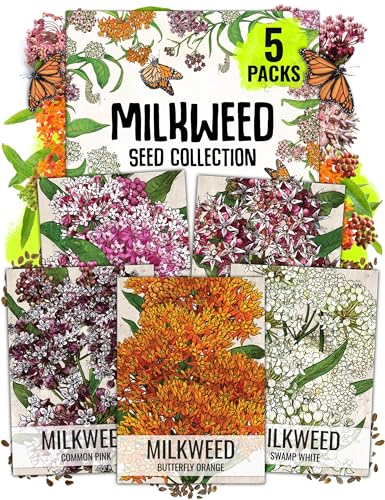
Best for: gardeners seeking a compact, diverse starter pack. This 5-pack includes Pink Swamp, White Swamp, Showy Milkweed, Orange Butterfly Milkweed, and Common Milkweed seeds, offering multiple host plants and nectar sources in one purchase.
Why chosen: The mix covers both monarch host plants and nectar-producing varieties, enabling a broad pollinator habitat with minimal planning. Pollinator attraction is highlighted, with monarchs explicitly supported by the included host plants.
Caution: Sowings should align with local frost dates; some varieties may perform better in specific moisture conditions. Monitor soil moisture to avoid seed rot in wetter zones.
HOME GROWN Monarch Wildflower Mix (2oz)

Best for: large, color-rich pollinator meadows. This bulk mix provides over 20,000 seeds that blend milkweed varieties with nectar flowers to sustain monarchs, bees, and hummingbirds through spring to fall.
Why chosen: The extended bloom window supports season-long beauty and pollinator activity. It’s easy to broadcast for beginners while offering substantial habitat creation for monarchs.
Caution: Not all seeds are specialized monarch host plants; ensure some variety includes true milkweed to support the caterpillar stage for monarchs.
HOME GROWN Milkweed Flower Seeds (5 Varieties)

Best for: gardeners who want a curated native collection. This pack emphasizes five native milkweed varieties to support monarch habitats, with non-GMO, high-quality seeds intended for zones 3-11.
Why chosen: It emphasizes monarch lifecycles by embedding the essential host plants and provides ornamental value with foliage contrast. The selection is designed for long-term habitat sustainability.
Caution: The description highlights native status; ensure local climate compatibility and prepare for stratification as directed for some seeds.
Fruivity Milkweed Seeds Mix (Five Varieties)

Best for: diverse landscapes where multiple milkweed species are desired. The mix includes Butterfly Weed, Common, Showy, Pink Swamp, and White Swamp milkweed, delivering varied host and nectar resources.
Why chosen: It prioritizes monarch development by offering distinct host plants and nectar sources, increasing the likelihood of successful lifecycle support in mixed garden settings.
Caution: Some varieties prefer different moisture levels; plan irrigation to accommodate both dry and moist soil needs within the same area.
KVITER 150 Common Milkweed Seeds

Best for: monarch-focused borders and larger plantings. This pack centers on Common Milkweed (Asclepias syriaca), a classic host plant that supports monarch caterpillars and provides nectar for adult butterflies and bees.
Why chosen: A sturdy, native option with proven monarch compatibility, suitable for expansive beds and wildflower margins. It’s a straightforward choice for monarch habitat restoration.
Caution: Cold stratification is advised prior to planting; follow soil preparation guidelines to improve germination rates in cooler regions.
SunHaven Seeds Native Milkweed Variety Pack
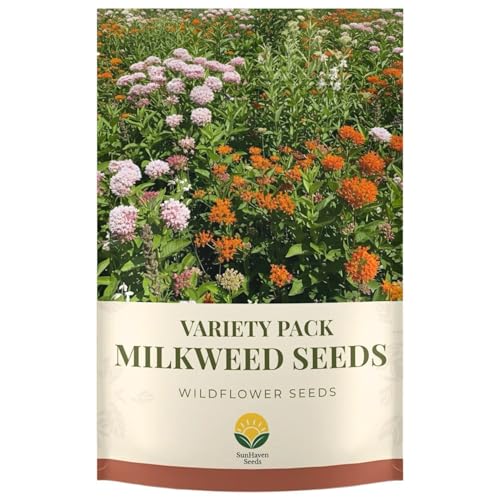
Best for: backyard gardens needing a balanced mix of monarch hosts and nectar plants. The pack includes Common, Showy, Pink Swamp, Narrowleaf, and Orange Butterfly Milkweed.
Why chosen: This five-species approach builds a robust habitat, increasing monarch breeding success, while providing year-round appeal for pollinators.
Caution: Some species may require different moisture and light conditions; design planting zones to accommodate these needs in a single landscape.
Sweet Yards Milkweed Variety Pack

Best for: gardeners seeking a compact, color-rich set in five distinct milkweed varieties. It’s ideal for pollinator-friendly borders and small meadows.
Why chosen: The kit emphasizes freshness for higher germination, ensuring rapid establishment and a vibrant monarch habitat in a shorter timeframe.
Caution: Depending on climate, some varieties may take longer to establish; timed sowing around frost dates improves success.
Buying Guide: Milkweed Seeds In Bulk
What to consider when choosing bulk milkweed seeds
Species selection matters. Choose a mix that includes monarch host plants (Asclepias species) and nectar-producing varieties to support all life stages. Native cultivars tend to establish more reliably in local soils and microclimates.
Germination and growing conditions
Many milkweed seeds benefit from cold stratification or light-sowing. Check recommended stratification periods and soil depth. Moisture management is key; overwatering can hinder germination, while drought stress can limit seedling success.
Garden goals and landscape design
For large restoration projects, bulk packs with several species help create diverse habitats. For small urban plots, a mixed kit with several host plants plus nectar sources provides a strong start without extensive planning.
Maintenance and habitat value
Milkweed supports monarchs during the caterpillar stage, while nectar plants sustain adults. Consider ongoing weeding, pruning, and seasonal bloom cycles to maximize habitat value across growing seasons.
Practical tips for planting
- Prepare well-draining soil and solar exposure matching each species’ needs.
- Broadcast or seed in rows depending on space and equipment access.
- Use mulch to maintain moisture and suppress weeds during germination.
FAQs
- What milkweed should I start with for monarchs?
Begin with Common Milkweed (Asclepias syriaca) and Showy Milkweed (A. speciosa) plus a nectar mix to support adults.
- Do bulk packs include non-GMO seeds?
Many bulk packs emphasize native and non-GMO seeds; verify product descriptions for each listing.
- How long does it take milkweed to germinate?
Germination typically occurs within 10–30 days, depending on species and conditions.
- Can I plant milkweed in containers?
Some varieties grow well in large pots with ample sun and drainage; choose compact varieties for container gardens.
- Will these seeds attract other pollinators besides monarchs?
Yes. Milkweed nectar draws bees, hummingbirds, and butterflies, supporting a broader pollinator habitat.
- Are there regional considerations for planting milkweed?
Yes. Match species to USDA zones and local moisture regimes to maximize establishment and longevity.