Answering the shopper’s question about high altitude gardening seeds, these selections focus on mountain-friendly wildflowers and companion plants that tolerate elevation, shorter growing seasons, and cooler nights. Best for alpine or rocky landscapes, these seed mixes support pollinators and add color from spring to fall. The top picks are suited for gardeners in the Rocky Mountains, high-desert plateaus, and other regions above 7,000 feet where hardy, open-pollinated varieties perform best. The buyer types: wildflower enthusiasts, pollinator gardeners, and beginners seeking low-maintenance, long-blooming color.
Summary Table of Chosen Products
| Product | Brand | Notes |
|---|---|---|
| Rocky Mountain Wildflower Seed Mix 1oz | Beauty Beyond Belief | Best for high-elevation pollinator gardens; 27,000 seeds; over 100 sq ft coverage. |
| Nature’s Seed Rocky Mountain Wildflower Seeds Mix Blend | Nature’s Seed | Season-long color; hardy native-dominant formulation for elevations above 7,000 ft. |
| Low Growing Wildflower Seeds Mix | Beauty Beyond Belief | Compact height; semi-wild look; attracts pollinators quickly. |
| Parade of Poppy Wildflower Seeds | Beauty Beyond Belief | Open-pollinated California poppies; reseeds; vibrant color. |
| Gardeners Basics Survival Vegetable Seeds | Gardeners Basics | Drought-tolerant option for mixed planting; broader utility for edible landscapes. |
Rocky Mountain Wildflower Seed Mix 1oz

Best for: High-elevation pollinator gardens. This 1 oz mix contains 27,000 premium seeds designed to cover over 100 square feet, with nectar-rich, pollinator-friendly blossoms. The blend emphasizes open-pollinated seeds and long bloom duration for mountain habitats. Caution: Open-pollinated mixes may reseed aggressively in favorable years, potentially altering local plant balance.
Nature’s Seed Rocky Mountain Wildflower Seeds Mix Blend

Best for: Gardeners seeking a native-dominant schedule with annuals and perennials for ongoing color at high elevations. The blend targets mountain climates above 7,000 feet and is designed for season-long blooms. Caution: The mix emphasizes natives; results may vary with microclimates and soil conditions.
Low Growing Wildflower Seeds Mix

Best for: Compact, border-edge gardens or rock gardens where space is limited. This 1 oz mix features short-height annuals and perennials, providing a semi-wild look with fast blooms and longer pollinator support. Caution: Height control is essential in windy high-altitude locales to prevent wind-scoured blooms.
Parade of Poppy Wildflower Seeds

Best for: Colorful, drought-tolerant displays with easy reseeding. California poppies create a cascade of color and adapt well to varied climates, including high-altitude regions. Caution: Open-pollinated poppies reseed; ensure they don’t encroach on neighboring plantings in sensitive areas.
Gardeners Basics Survival Vegetable Seeds
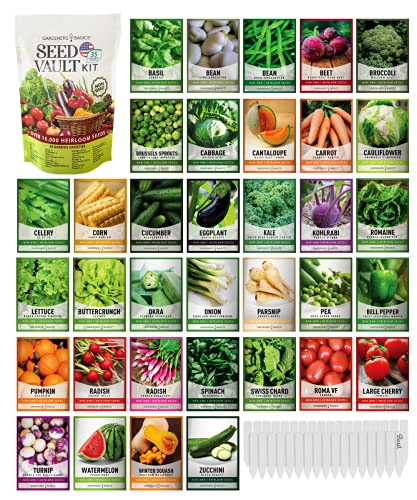
Best for: Mixed-use edible landscapes in milder high-altitude microclimates where drought tolerance is valuable. This kit contains a broad range of vegetables, including some that tolerate cooler nights. Caution: This kit is broad and includes non-wildflower varieties; align with ornamental goals for high-altitude color.
Buying Guide: High Altitude Seed Selection
- Climate suitability: Prioritize elevation-adapted mixes that list high-altitude or mountain climates. Look for native or adaptable species that tolerate cooler nights and shorter growing seasons.
- Bloom timing and duration: Choose programs that include both early and late bloomers to maintain color across the season.
- Pollinator compatibility: For pollinator-friendly gardens, select nectar-rich wildflowers that attract bees, butterflies, and birds. Verify open-pollinated, non-GMO status when possible.
- Seed density and coverage: Higher seed counts per ounce often translate to denser, more immediate coverage, especially helpful in alpine environments with shorter growing windows.
- Maintenance and invasiveness: Consider seed mixes with controlled reseeding or native-dominant formulations to minimize management in delicate mountain ecosystems.
- Soil and moisture needs: Check whether mixes prefer well-drained soils and how they respond to irrigation schedules suitable for high-altitude climates.
FAQ
- Are these seeds suitable for elevations above 7,000 feet? Yes. Several blends are specifically formulated for high-elevation growth with traits that tolerate cooler nights and shorter seasons.
- Will these mixes attract pollinators? Yes. Most mixes feature nectar-rich flowers designed to attract bees, butterflies, and birds.
- Do these seeds reseed easily? Some open-pollinated mixes reseed naturally; plan for or against reseeding based on your garden goals.
- Can I use these in partial shade? Some wildflower mixes tolerate partial shade, but most perform best in full sun typical of alpine gardens.
- Do the products come with growing guidance? Many include basic growing guides or QR codes for online resources to improve germination and establishment.
- Are the seeds non-GMO? Several listed products advertise non-GMO/open-pollinated seeds; verify labels if this is important to you.