When choosing gravel boards and edging for garden fences, you want durable, low-maintenance options that keep mulch, gravel, and soil in place while creating clean, decorative borders. This guide highlights top gravel board picks for American yards, suitable for various garden styles and terrains. Ideal buyers include homeowners seeking easy-install edging, landscapers needing long-lasting solutions, and DIY enthusiasts building defined planting beds or walkways.
Summary of selected products
| Product | Best For | Key Benefit |
|---|---|---|
| Master Mark Terrace Board Edging | Curved beds & raised borders | Wood-grain look with durable HDPE |
| Sumloty Gravel Grid | Driveways, paths, and stabilized areas | High load HDPE grid with drainage |
| EasyFlex No-Dig Landscape Edging | Curves and quick installs | No-dig design with flexible shaping |
| GardenFlow Wood Garden Edging | Natural wood borders | Charred wood for moisture resistance |
| VEVOR Landscape Edging | Long run border projects | 10-inch height, flexible yet sturdy |
Master Mark Terrace Board Edging
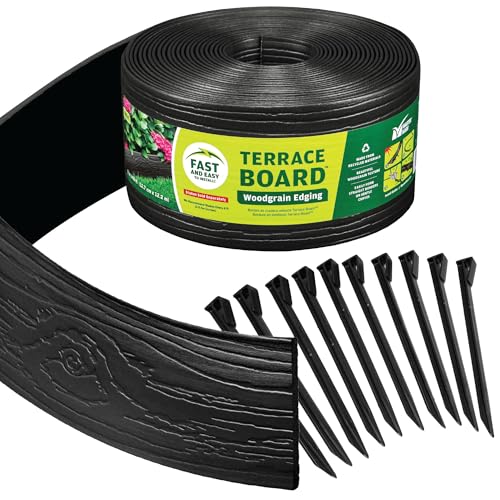
Best for: borders around planting beds and walking paths where a wood-grained, decorative edge is desired. Why selected: It combines an attractive textured appearance with HDPE durability that resists chipping, fading, rotting, and peeling. The edging is thin and flexible for easy installation, and included stakes simplify securing the border. This option is ideal when you want a defined, raised edge that still looks natural in garden settings. Caution: Ground stability matters; dig about 1.5 inches to ensure straight, stable edges, and use additional stakes if the base is uneven.
Sumloty Gravel Grid 4 x 11FT

Best for: driveways, patios, and garden paths requiring solid ground stabilization with excellent drainage. Why selected: The 4 ft by 11 ft grid covers a sizable area and provides over 1885 lbs per sq ft tensile strength when filled. Made from HDPE, it resists UV, temperature changes, and chemicals, and its honeycomb design promotes water drainage to reduce puddling. Caution: Ensure proper expansion gaps at edges to accommodate ground movement and temperature shifts.
EasyFlex No-Dig Landscape Edging
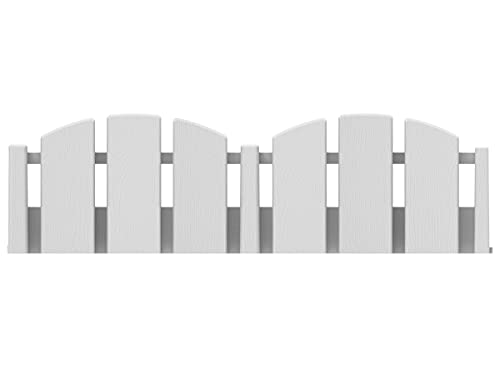
Best for: decorative borders around raised beds and garden features where digging is undesirable. Why selected: This 15-foot kit provides a no-dig installation with flexible, curved shaping capabilities through built-in spines and secure anchoring spikes. It’s suitable for straight sections and curves alike, enabling quick customization. Caution: Rigid sections can require careful bending to avoid sharp corners; plan layouts before installation to minimize adjustments.
GardenFlow Wood Garden Edging
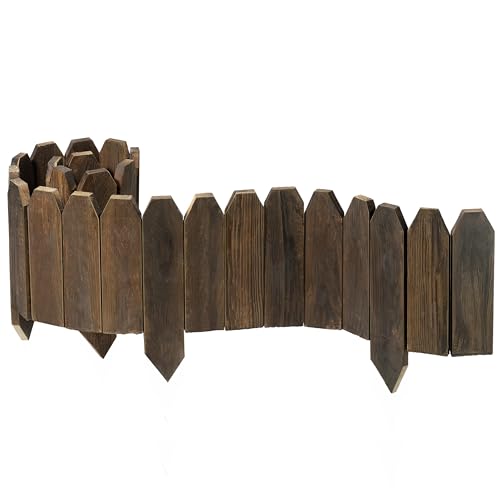
Best for: classic garden borders with a rustic, natural look. Why selected: The edging is charred for durability, offering moisture resistance and reduced rot risk. The wood grain and warm tones fit well with traditional landscapes and naturalistic plantings. Caution: Wood edging can require periodic maintenance to preserve appearance and prevent weathering in extreme climates.
VEVOR Landscape Edging

Best for: long runs along lawn borders where a tall, effective barrier is needed. Why selected: The 60-foot total length and 10-inch height provide a substantial, flexible barrier that remains durable in harsh weather. Made from HDPE, it resists rust, fading, and deformation compared to metal edging. Caution: Higher edges may require careful placement to avoid catching tools or grass clippings during mowing.
Buying Guide
What edging material should I choose?
- HDPE vs. wood: HDPE edging lasts longer and resists rot; wood edging offers a natural look but may require maintenance.
- Edge height: Taller borders provide stronger weed and mulch containment; shorter borders are easier to install and blend with low-profile designs.
- Installation method: No-dig options save time but may limit layout flexibility; traditional edging requires digging for stability.
How do I decide between a gravel grid and simple edging?
- Gravel grids stabilize loose gravel, prevent migration, and support heavy loads; edging is primarily for defining borders and preventing grass from encroaching into beds.
- For driveways or walkways, consider grids with high load capacity; for flower beds, decorative edging with a natural look may suffice.
What features improve durability?
- Material: HDPE resists UV, chemicals, and temperature changes; charred wood offers moisture resistance.
- Thickness and height: Thicker edges and taller borders generally last longer and perform better against weeds and soil movement.
What installation considerations matter?
- Soil stability: Digging depth for anchors increases edge stability; plan for uneven terrain with adjustable borders.
- Expansion gaps: Allow space for ground expansion and contraction to prevent warping or buckling.
FAQ
- Q: Which edging is best for a DIY-friendly project? A: No-dig edging like the EasyFlex option is especially friendly for quick, tool-light installations.
- Q: How tall should edging be for mulching around perennials? A: Taller edging (around 6-10 inches) provides clearer boundaries and better mulch containment.
- Q: Can gravel grids support vehicle traffic? A: Some grids are designed for light vehicle use; verify load ratings before driving on them.
- Q: Do wooden borders require maintenance? A: Yes, wood edging may need sealing or treatment over time to resist moisture and weathering.
- Q: Do these products require soil prep? A: Grids and borders perform best with a stable base; some leveling and base preparation improves longevity.
- Q: Is there a preferred edging height for lawn edging? A: For lawn separation, 6-8 inches is a common compromise between visibility and mowing access.