Looking for floribunda roses that bloom continually from spring through the season? This guide highlights five top options that are well-suited for American gardens. Each choice targets different climates and care preferences, helping you pick the best fit for your yard. The table below outlines key details to compare at a glance.
| Product | Hardiness | Bloom Traits | Best For |
|---|---|---|---|
| Rosa Julia Child (Floribunda Rose) – Green Promise Farms | Zones 5-8 | Continual blooming, pleasant scent | Cold-hardy, fragrance-loving gardeners |
| Sunbelt Soul Sister – Heirloom Floribunda | Zones 5-9 | Lightly fragrant, continual blooming | Own-root reliability, extended bloom season |
| Polynesian Punch – Heirloom Floribunda | Zones 6-9 | Moderately fragrant, continual blooming | Warm climates with steady color |
| Parfuma Summer Romance – Heirloom Floribunda | Zones 5-9 | Exceptionally fragrant, continual blooming | Fragrance-focused, long-season color |
| Veranda Lavender – Heirloom Floribunda | Zones 5-9 | No fragrance, repeat blooming | Low-fragrance option with dependable repeats |
Rosa Julia Child Floribunda – Green Promise Farms

Product: Rosa Julia Child (Floribunda Rose) Rose, yellow flowers, #3 – Size Container
Brand: Green Promise Farms
Key features: Plant in USDA zones 5-8; mature size 3-4 ft high by 3-4 ft wide; delivered in a #3 container; fully rooted; pleasant flower scent.
Who it’s best for: Gardners seeking a compact, fragrant yellow floribunda with solid winter tolerance and immediate planting ability. Why chosen: It combines a classic color, fragrance, and ready-to-plant convenience in a moderately cold-hardiness range. Caution: The mature size can approach 4 ft; ensure spacing to avoid crowding.
Soul Sister Floribunda – Heirloom Roses

Product: Heirloom Floribunda Roses, Live Own Root Plant for Outdoor Garden, Sunbelt® Soul Sister™, Lightly Fragrant, Zones 5-9
Brand: Heirloom Roses
Key features: Live own-root plant; light fragrance; continual bloom; 12–16 month-old plant in a 1-gallon container with rich soil.
Who it’s best for: Gardeners wanting a robust, self-sustaining plant with reliable blooms across a wide zone range. Why chosen: Own-root varieties often establish quickly and produce many blooms. Caution: Needs suitable winter protection in colder zones.
Polynesian Punch Floribunda – Heirloom Roses

Product: Heirloom Floribunda Roses, Live Own Root Plant for Outdoor Garden, Polynesian Punch™, Moderately Fragrant, Zones 6-9
Brand: Heirloom Roses
Key features: Live own-root plant; moderate fragrance; continual blooming; 12–16 month-old plant in a 1-gallon container with rich soil.
Who it’s best for: Gardeners in warmer regions seeking steady color and a pleasant scent without overpowering fragrance. Why chosen: Good balance of fragrance, bloom frequency, and zone tolerance. Caution: Fragrance intensity is described as moderate; perfume lovers may want stronger scent options.
Parfuma Summer Romance Floribunda – Heirloom Roses
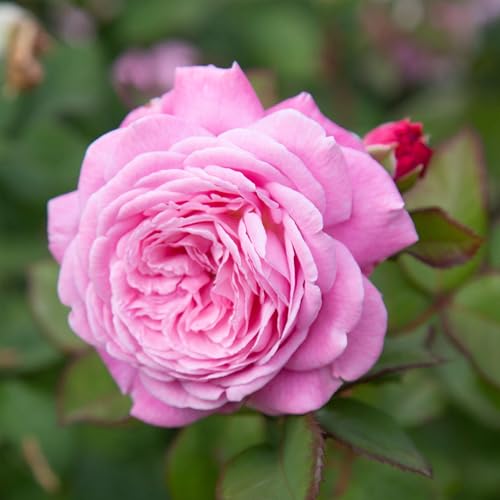
Product: Heirloom Floribunda Roses, Live Own Root Plant for Outdoor Garden, Parfuma® Summer Romance, Exceptionally Fragrant, Zones 5-9
Brand: Heirloom Roses
Key features: Live own-root plant; exceptionally fragrant; continual blooming; 12–16 month-old plant in a 1-gallon container with rich soil.
Who it’s best for: Fragrance enthusiasts who want a strong scent with long-lasting color. Why chosen: Combines strong fragrance with persistent blooms across a broad zone range. Caution: Fragrance notes may intensify outdoors but vary by season and microclimate.
Veranda Lavender Floribunda – Heirloom Roses
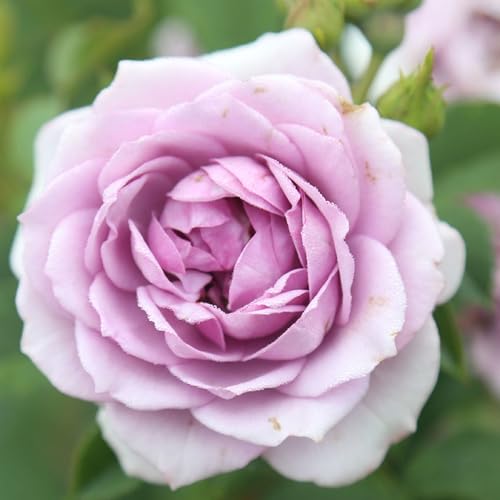
Product: Heirloom Floribunda Roses, Live Own Root Plant for Outdoor Garden, Veranda® Lavender, No Fragrance, Zones 5-9
Brand: Heirloom Roses
Key features: Live own-root plant; no fragrance; repeat blooming; 12–16 month-old plant in a 1-gallon container with rich soil.
Who it’s best for: Budget-conscious or fragrance-averse gardeners who still want color and repeat blooms. Why chosen: Reliable repeat flowering with minimal fragrance. Caution: Some buyers may prefer fragrance in floribundas; consider scent preferences before purchase.
Buying Guide: Floribunda Continuous-Flowering Roses
What should I consider before buying floribunda roses?
- Hardiness zones: Ensure the cultivar matches your winter lows. Choose varieties rated for your climate to minimize winter damage.
- Fragrance vs. no fragrance: Decide if you want a strong scent or a fragrance-free option.
- Root type: Own-root roses often establish quickly and bloom reliably, though grafted varieties can offer vigor in some soils.
- Bloom period: Look for varieties described as continual or repeat bloomers for a longer color display.
- Container size and planting: Check whether the plant comes in a container you can transplant immediately, and plan spacing for mature size.
FAQ
- What is a floribunda rose? A floribunda rose is a bushy rose group known for producing numerous clusters of flowers throughout the growing season.
- What does “own-root” mean? An own-root plant develops from its own root system rather than being grafted onto a rootstock, which can affect growth and bloom patterns.
- Are floribundas good for beginner gardeners? Yes, many floribundas are hardy, produce abundant blooms, and are relatively easy to care for with basic pruning and sun exposure.
- How much sun do these roses need? Most floribundas prefer full sun, typically at least 6 hours of direct sunlight per day, for best flowering.
- Can these roses handle cooler winters? Some varieties tolerate zones down to zone 5, while others are best suited for warmer zones; always match cultivar hardiness to your local climate.
- Should I prune after blooming? Pruning after a bloom cycle encourages new growth and more flowers, but avoid heavy pruning during peak heat in hot climates.