Find the right colored pea gravel to brighten pathways, garden borders, and decorative beds. This guide highlights five clear picks, describes who they’re best for, and explains why they fit into vibrant landscape designs. Use this to compare texture, color variety, and application suitability for soil, planters, walkways, and water features.
The table below provides a quick snapshot of the selected products to help with side-by-side comparisons.
| Product | |||
|---|---|---|---|
| MIGHTY109 Granite Pea Gravel 40 Lbs | |||
| White Pea Gravel, 40 lbs | |||
| HappyFiller Colored Pea Gravel | |||
| LIFEBESTONE Rainbow Glow Rocks | |||
| River Rock – Gravel Company 3/4″ River Rock |
MIGHTY109 Granite Pea Gravel 40 Lbs.

Best for: decorative landscape accents and mixed applications. This natural crushed granite pea gravel is about 1/8 inch in diameter, making it suitable for pathways, plant beds, and container decorations. The compact size helps it fill gaps and create a consistent look, especially in drought-tolerant designs or modern landscapes. Selected for its neutral granite color, it pairs well with greens and other neutrals.
Why chosen: The uniform grain size supports stable ground cover and easy edging. It provides a subtle, classy backdrop for brighter plantings and water features. This option is a practical all-around choice when the goal is a classic pea gravel appearance with durable material.
Limitations: The color is a natural gray, so it may show dust or organic debris more readily than darker tones. Consider sealing edges or using edging to retain material in high-traffic zones.
White Pea Gravel, 40 lbs
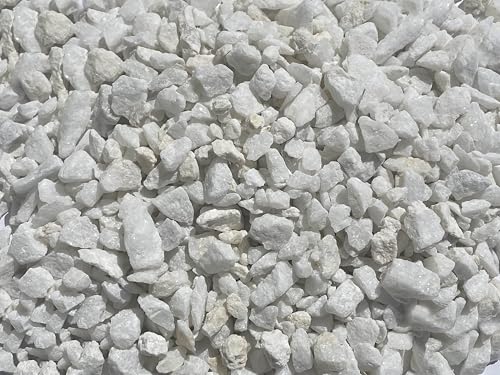
Best for: bright, clean landscape accents such as garden paths, flower beds, and decorative ground cover. The 1/4 to 1/2 inch size provides a uniform look that stands out against darker soil and mulch. The white dolomite material creates a crisp contrast in contemporary designs.
Why chosen: The bright, uniform color enhances reflective qualities and makes features like planters and edging pop. It is especially effective in Mediterranean or modern minimalist schemes where light tones define space.
Caution: White gravel can show dirt and debris more easily; routine maintenance may be needed to retain its pristine appearance. Consider edging to minimize displacement in busy zones.
LIFEBESTONE Rainbow Glow Rocks
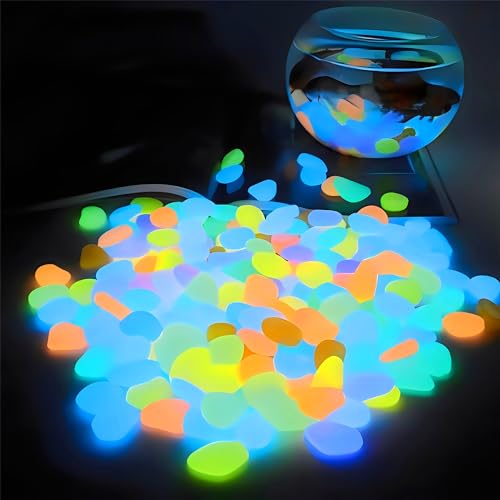
Best for: decorative glow features in containers, walkways, and outdoor planters. The large, multicolor glow rocks offer a striking daytime display and night-time illumination after charging in light.
Why chosen: The collection includes several bright colors, creating a rainbow effect that draws attention to focal points and themed landscapes. They are also suitable for aquarium setups and terrariums when glow is desired.
Limitation: The rocks are larger (4/5–3 cm) and may not suit smaller gaps or tight pathways. They also rely on light exposure to achieve glow, so performance depends on daylight charging.
River Rock – 3/4″ Natural River Rock

Best for: drainage, erosion control, and naturalistic borders. The 3/4 inch rounded stones provide a rugged texture and earthy tones that blend well with plants and hardscape features.
Why chosen: This size supports effective drainage and reduces splash in bed edges and water-flow zones. It complements brown, gray, and green palettes while offering a durable decorative option beyond pea-gravel basics.
Caution: Larger stones are less suitable for tight spaces or fine-grained pathways where smoother, smaller gravel is preferred.
Buying Guide
What should you consider when selecting colored landscape gravel?
- Color and finish: Choose hues that enhance plant colors and match your overall palette. Bright whites create contrast; grays and naturals blend with stone features.
- Grain size and texture: Pea gravel typically ranges from 1/8 inch to 1/2 inch. Smaller sizes are ideal for walkways; larger pieces work better for edging or accents.
- Application and location: For pathways and planters, uniform, smooth grains reduce weed growth and provide stable footing. For decorative accents, occasional larger pieces add visual interest.
- Maintenance needs: Light colors show debris more easily; consider edging or sealants where applicable. Glow rocks need light exposure to glow reliably.
- Durability and safety: Natural stones resist weathering; ensure stones are clean and free of sharp edges. For water features, verify non-toxicity and pH compatibility when used with aquatic elements.
- Cost and coverage: Calculate area coverage and depth to estimate bag quantity. Larger bags reduce replacement frequency but may cost more upfront.
Use Case Scenarios
- Front yard border with white pea gravel for a clean, modern look.
- Backyard path using granite pea gravel for durability and a natural feel.
- Colorful container arrangements with small mixed-color gravel for a playful touch.
- Glow accents along a nighttime walkway by layering glow rocks with standard gravel.
- Drainage enhancement in garden beds using river rock for structure and erosion control.
FAQ
- Q: Is colored pea gravel safe for plants and animals? A: Most decorative gravel is non-toxic and inert, but always check product data for any additives or coatings.
- Q: Will white gravel stay white in all seasons? A: White tones can show dirt more quickly; routine cleaning and edging help maintain appearance.
- Q: Can glow rocks be used outdoors year-round? A: Yes, but glow intensity depends on daytime light exposure; they may appear dim in low-light conditions.
- Q: Which size is best for pathways? A: For pathways, aim for smaller to mid-size pea gravel (about 1/4 inch or smaller) for smooth, stable footing.
- Q: Do I need landscape fabric under gravel? A: Landscape fabric reduces weed growth and helps with stabilization; use when appropriate to your project.
- Q: How do I maintain vibrant colors in colored gravel? A: Rinse debris periodically and ensure proper drainage to prevent staining and buildup.