If you’re looking to shade a sunny yard quickly, these affordable fast-growing shade trees deliver value and speed. This guide highlights five Amazon-listed options ideal for creating instant cooling, privacy, and landscape impact. Each pick includes who it’s best for, why it was chosen, and practical cautions to consider before planting. Suitable buyers range from budget-conscious homeowners to those needing rapid canopy creation for property screening or erosion control.
| Product | Best For | Why It Was Selected |
|---|---|---|
| Weeping Willow 5-6′ | Sun lovers seeking dramatic, arching shade | Very fast growing; graceful, pendulous foliage; thrives in full sun |
| 3 Sycamore Trees for Planting | Large spaces needing instant shade | Fast-growing with distinctive bark; strong starter saplings |
| 10 Hybrid Poplar Cuttings | Privacy screens and broad shade | Extremely rapid growth; easy to establish |
| Hybrid Willow Cuttings | Privacy and windbreaks | Fast-growing; easy to root; versatile siting |
| Red Maple Trees (3 Tree Seedlings) | Aesthetic value and shade | Fast-growing with striking fall color; versatile landscape tree |
Weeping Willow 5-6′ — PERFEC T PLANTS

Best For: Sun-drenched yards needing dramatic, arching shade with graceful movement. This fast grower suits landscapes that receive full sun and require minimal shade initially. The plant comes with easy-to-use plant food and lush, light-green foliage that sways beautifully in the breeze.
Why Selected: It delivers quick canopy development and an elegant silhouette, ideal for homeowners who want noticeable shading soon after planting. The fast growth and sun-loving nature make it a top choice for warm, open spaces.
Limitations: Willow trees prefer full sun and may require regular pruning to maintain shape in windy or exposed sites. The root system can be vigorous; plan spacing away from foundations and sidewalks.
3 Sycamore Trees for Planting — Platanus Occidentalis

Best For: Large yards or commercial landscapes needing dense shade quickly. These bare-root sycamores are described as strong starter trees ready for transplanting, with fast growth and substantial mature size.
Why Selected: Sycamores are known for rapid canopy development and reliable performance in suitable climates. Distinctive peeling bark adds year-round visual contrast, making them a standout for long-term landscape impact.
Limitations: Bare-root trees require careful planting and moisture management after transplanting. They may be sensitive to transplant shock in extreme heat or drought if not properly watered.
10 Fast Growing Hybrid Poplar Cuttings
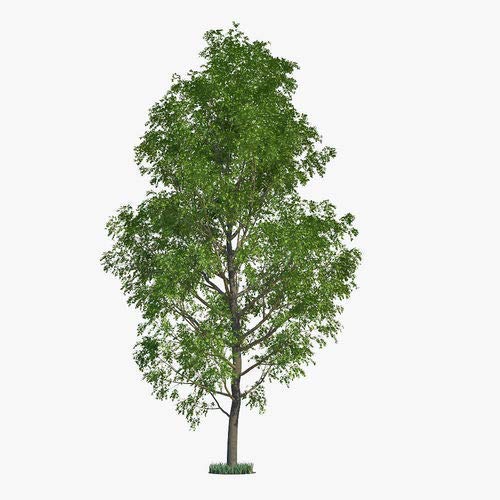
Best For: Quick privacy and wide shade in medium to large lots needing rapid screen formation. Hybrid poplars are prized for their exceptional growth rates and minimal seed production.
Why Selected: Their fast growth can transform views and provide wind protection in a single season, making them effective for fast yard transformation and erosion control. They’re generally straightforward to establish with adequate watering.
Limitations: Poplars can have weaker wood structure and may require structural pruning as they mature. They may also be less drought-tolerant once established in very dry conditions.
Hybrid Willow Cuttings — 10 Cuttings

Best For: Privacy screens, windbreaks, and flexible planting options on medium-sized lots. Willow cuttings root easily and establish quickly when provided with moisture and warmth.
Why Selected: These cuttings offer a practical path to a dense hedge-like canopy in a short period. Rooting is typically achievable in weeks with proper watering, enabling faster shelter than many other species.
Limitations: Willows can require consistent moisture and may be prone to certain pests in overly wet soils. Planting near utilities or structures should be planned to avoid root interference.
The Maple Autumn Blaze Tree — 1 Gal

Best For: Landscape designers seeking vibrant fall color and a robust shade canopy. This maple reaches a substantial height and spread with striking autumn foliage.
Why Selected: Autumn Blaze Maples are renowned for dramatic fall color—orange and red tones—that enhance curb appeal and seasonal interest in moderate to warm climates.
Limitations: This cultivar may be restricted to certain states due to agricultural laws; verify shipping restrictions before ordering. Mature size requires adequate spacing to prevent crowding.
Buying Guide: Key Considerations For Choosing Fast-Growing Shade Trees
- Climate compatibility: Ensure the species tolerates your climate zone and soil type. Fast growth often correlates with higher maintenance needs, especially in extreme heat or cold.
- Space and mature size: Plan for the tree’s ultimate height and spread to avoid conflicts with structures, power lines, and underground utilities.
- Water and drainage: Many fast-growing trees require consistent moisture. Factor irrigation availability and drainage into site planning.
- Root behavior: Some trees develop aggressive roots; others have shallow or wide root systems. Consider proximity to foundations, sidewalks, and septic systems.
- Maintenance needs: Pruning, pest management, and potential leaf litter vary by species. Choose varieties whose care aligns with your time and resources.
- Availability and shipping restrictions: Some trees have regional shipping limitations or seasonal planting windows. Check local regulations and supplier notes.
Frequently Asked Questions
- What is the fastest way to establish shade in a yard?
– Plant multiple fast-growing trees with complementary canopies and water them consistently during establishment. - Are fast-growing trees suitable for small spaces?
– Yes, but choose varieties with compact mature sizes or plan for pruning to control spread. - Do these trees require special soil preparation?
– Prepare well-draining soil, add mulch, and ensure adequate moisture during the first growing season. - Can I plant these trees near sidewalks or foundations?
– Plan for root space and avoid planting directly over sewer lines or near foundations without professional guidance. - Do any of these trees attract pests?
– Some can attract pests in certain climates; regular monitoring and appropriate maintenance help mitigate issues. - Is shipping restricted for some species?
– Yes, certain trees have state-specific shipping restrictions depending on agricultural laws.