Answering the question “Which bush beans are best for my garden?” this guide highlights reliable, easy-to-grow bush bean varieties ideal for American home gardens. It focuses on Contender, Provider, and tri-color mixes that perform well in a range of climates and growing conditions. The top picks suit first-time gardeners seeking quick yields, busy families wanting dependable snacks, and preppers stocking a small-scale emergency garden. Below is a quick buyer’s snapshot of five strong options.
| Product | Key Strength | Best For |
|---|---|---|
| Sow Right Seeds Contender Bush Green Bean Seeds | Early maturing, high yields, stringless | Small spaces, cool to hot seasons |
| HOME GROWN Contender Bush Bean Seeds | Early harvest, non-GMO, high germination | Reliability in diverse climates |
| Survival Garden Seeds Tri Color Blend | Colorful, high yield across three varieties | Variety in a single pack |
| Survival Garden Seeds Provider Green Beans | Heavy producers, stringless pods | Raised beds and small spaces |
| Burpee Contender Bush Bean Seeds | Heavy crop with strong flavor | Classic contender for dependable harvests |
Sow Right Seeds Contender Bush Green Bean Seeds
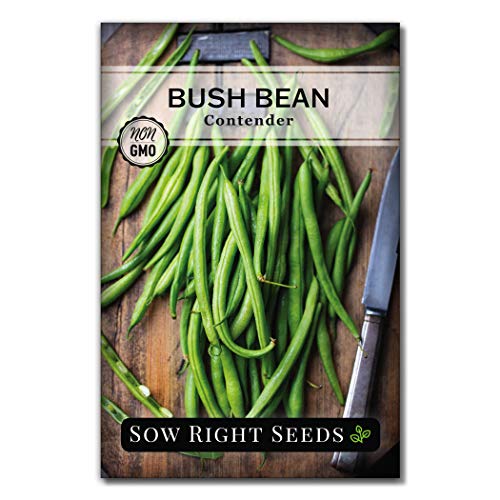
Product overview: Contender is a stringless, early-maturing bush bean that yields well in a range of climates. The packet contains a premium seed quantity and seeds are non-GMO. Plant 1 inch deep and space 3-4 inches apart in full sun. Plants reach 12-22 inches tall with a 16-20 inch spread; beans mature in 60-75 days. Great for fresh eating, freezing, or canning.
Best for: Home gardeners seeking quick, reliable yields in small plots or containers. The stringless pods simplify harvest and preparation.
Why selected: This variety is repeatedly recommended for its consistent performance across cool-to-warm seasons and its early harvest window, making it a solid staple for family gardens.
Caution/limitation: Requires consistent sun and even moisture; poor drainage can reduce pod quality.
HOME GROWN Contender Bush Bean Seeds

Product overview: This is an heirloom, non-GMO selection that promises high germination and early harvest. Suitable for open-pollinated seed saving, it’s favored for reliability and adaptability in varied climates and short seasons.
Best for: Gardeners prioritizing seed-saving potential and consistent, early yields.
Why selected: The brand emphasizes resilience to a range of conditions and strong germination, making it a sturdy choice for beginners and seasoned growers alike.
Caution/limitation: Being open-pollinated, you may observe more variability year to year compared with some hybrids.
Tri Color Blend Bush Bean Seeds for Planting

Product overview: A mix of green Provider, yellow Golden Wax, and purple Royal Burgundy beans, delivering a colorful harvest. Plants are compact and self-supporting, producing heavy crops without trellising. Pods are stringless and versatile for fresh eating, cooking, freezing, or canning.
Best for: Gardeners who want a diverse, colorful harvest from a single seed pack and who prefer easy-care bush beans.
Why selected: The blend adds visual interest to beds while maintaining reliable yields, simplifying planning for mixed-color dinners and preservation.
Caution/limitation: Color variety may lead to varied cooking times; plan for slightly different harvest windows across colors.
Survival Garden Seeds Provider Green Beans
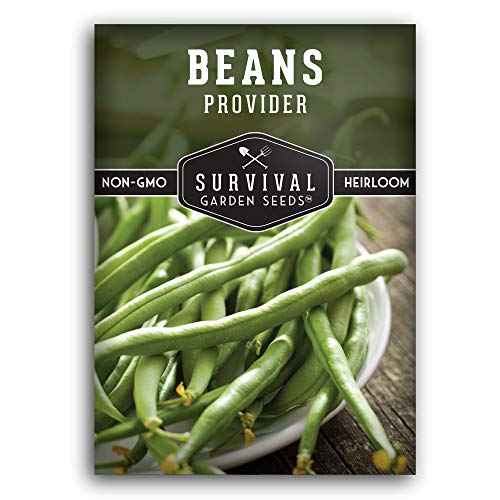
Product overview: Provider bush bean seeds focus on heavy yields with stringless pods. They are easy to grow in raised beds, rows, or containers and are known for reliable production in various spaces.
Best for: Gardeners seeking a straightforward, high-yield bean that performs well in limited space.
Why selected: The variety is recognized for consistent production in home gardens, reducing the risk of gaps in harvests.
Caution/limitation: Performance can vary with spacing and weather; plan for sufficient thinning and sun exposure.
Burpee Contender Bush Bean Seeds

Product overview: Burpee’s Contender seeds emphasize a heavy crop with round-oval pods and rich flavor. Each seed packet provides a substantial amount for a productive garden season. Plant after the last frost and harvest in about 55 days.
Best for: Gardeners who want a time-tested, highly productive option with strong flavor.
Why selected: Contender is widely regarded for robust yields and reliable performance in many climates, making it a dependable core variety.
Caution/limitation: Quick progress can increase risk from late frosts in cool springs; ensure a warm seedbed before planting outdoors.
Buying Guide: Bush Beans For Every Garden
What should you consider when choosing bush beans?
- Growth habit: All selections here are bush beans, meaning they do not require trellising. Choose this if you have limited space or want simple maintenance.
- Harvest window: Early-maturing varieties reduce the waiting time between planting and picking. Look for days-to-harvest estimates like 50–75 days.
- Pod characteristics: Stringless pods save prep time. Consider color variety if you want a decorative garden or diverse fresh eating options.
- Germination and climate tolerance: Non-GMO and heirloom seeds often offer reliable germination, but climate adaptability varies. Garden in appropriate sun and soil conditions.
- Seed-saving and storeability: Open-pollinated and heirloom seeds enable seed saving for future seasons, offering long-term sustainability.
Practical comparison tips
- For quick, reliable harvests in small plots, choose Contender or Provider varieties from Survival Garden Seeds or Burpee.
- If you want a colorful, multi-variety bed, Tri Color Blend offers visual variety and a mix of flavors.
- Seed-saving potential matters if you want to cultivate your own seed stock for following years.
Planting and care quick-start
- Plant 1 inch deep with 2–4 inches between plants in full sun.
- Space rows 18–24 inches apart for easy access and air circulation.
- Water consistently, keeping soil evenly moist but not waterlogged.
- Harvest when pods are tender and crisp for best flavor and texture.
FAQs
- Are bush beans easier than pole beans? Yes; bush beans require less space and no trellising, making them ideal for beginners.
- What is the best time to plant bush beans? In temperate regions, plant after the last frost, when soil warms to around 65–75°F.
- Can bush beans be frozen? Yes; harvest when tender and flash-freeze or pack for long-term storage.
- Is non-GMO better for home gardens? Non-GMO seeds can be preferred for seed-saving and heritage flavor, though hybrids can offer vigor and uniformity.
- Do different colors affect cooking time? Yes; color varieties may have slight differences in texture and maturity—plan harvests accordingly.
- Can bush beans grow in containers? Yes, choose compact varieties and use a deep container with good drainage.