Bi color corn varieties offer visually striking ears and a sweet, mixed-flavor profile that appeals to home gardeners and fresh-eating enthusiasts. This guide highlights select non-GMO and hybrid bi color corn seeds ideal for American gardens, with quick notes on who each product is best for and how to optimize growth. The top picks emphasize early to mid-season harvests, reliable yields, and clear planting guidance for better pollination and flavor.
| Product | Best For | Notes |
|---|---|---|
| Seeds2Go Bi-Color Sweet Corn Non-GMO Seeds | Gardeners seeking high yield and classic bi color flavor | 75 days maturity; non-GMO; strong producer |
| Seed Needs Peaches and Cream Sweet Corn Seeds | Regions with shorter seasons; early-to-mid harvest | Hybrid SE; 80–90 days; plant in blocks |
| Isla’s Garden Seeds Ambrosia Bi-Color Sweet Corn | Backyard gardens; reliable, attractive kernels | Bi color; full sun; versatile uses |
| Isla’s Garden Seeds Coastal Bi-Color Sweet Corn | Backyard plots; culinary versatility | Warm-season; good for grilling and boiling |
| TomorrowSeeds Providence TripleSweet Sweet Corn | Early sweetness and fresh eating | Triple-sweet genetics; early harvest |
Seeds2Go Bi-Color Sweet Corn Non-GMO Seeds
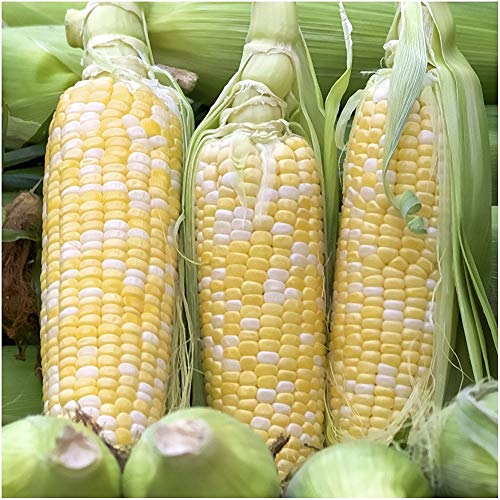
Bi-color corn with kernels of yellow and white on the same cob. The flavor is similar to standard sweet corn, with some perceiving a richer sweetness due to color variety. Matures in about 75 days and is noted for high yield. Best for gardeners seeking a reliable, non-GMO option that still delivers classic bi color ears.
Who it’s best for: Home growers prioritizing yield and a traditional bi color appearance without GMOs. Why selected: Early maturity and strong productivity support a quick, bountiful harvest. Caution: Non-GMO status may limit some seed-pack availability in certain regional markets.
Seed Needs Peaches and Cream Sweet Corn Seeds

Hybrid, sugary-enhanced bi color variety offering both yellow and white kernels for a dual flavor experience. Early maturing, with a harvest around 80–90 days after planting, making it suitable for regions with shorter growing seasons. Plant in blocks to improve pollination and maximize ears per plant.
Who it’s best for: Gardeners in shorter seasons who want a reliable, early Bi-Color harvest. Why selected: Early maturity combined with clear pollination guidance. Caution: Some growers may need to adjust spacing for optimal ear fill in dense plots.
Isla’s Garden Seeds Ambrosia Bi-Color Sweet Corn

Ambrosia Bi-Color Sweet Corn features creamy-sweet, tender kernels on striped yellow-and-white ears. This variety adapts well to backyard rows and larger plots, delivering reliable stalks and full ears when soil temperatures warm. Versatile in the kitchen for fresh-eating, grilling, and salads.
Who it’s best for: Families seeking a visually appealing, tasty harvest with kitchen versatility. Why selected: Distinct color pattern and dependable yield. Caution: Success depends on warm soil and steady moisture; drought stress can affect ear size.
Isla’s Garden Seeds Coastal Bi-Color Sweet Corn

Coastal Bi-Color Sweet Corn delivers classic summer sweetness atop well-filled ears. Best for home plots and family cookouts, it thrives in full sun and fertile, well-drained soil. Plant when soil warms to support strong early growth and robust stalks.
Who it’s best for: Gardeners seeking reliable performance in sunny, warm climates. Why selected: Notable for sturdiness and culinary versatility, from boiling to grilling. Caution: Requires consistent moisture to prevent kernel shrink and crumbly ears.
TomorrowSeeds Providence TripleSweet Sweet Corn

Providence TripleSweet combines three sweet genetics for a pronounced sugar-enhanced profile on bi color ears. It offers tender, crisp kernels ideal for fresh eating and cooking. Early harvest characteristics let gardeners enjoy corn earlier in the season.
Who it’s best for: Those focused on maximum sweetness in a mid-to-early harvest window. Why selected: TripleSweet chemistry promises consistent sugar content. Caution: Early varieties may require careful moisture management to maintain kernel texture.
Buying Guide
- Growth window: Choose seeds with maturity ranges that fit your local growing season (75–90 days is common for bi color corn).
- Pollination: Plant in blocks rather than straight single rows to ensure even kernel development and full ears.
- Soil and sun: Most options thrive in full sun with fertile, well-drained soil; amend with compost and mulch to protect moisture.
- Seed type: Non-GMO vs hybrid can affect germination and vigor; hybrids often offer reliable early yields, while non-GMO varieties appeal to certain gardeners.
- Culinary use: Consider whether you plan to eat fresh off the cob, grill, or incorporate into salads to guide variety choice.
- Climate considerations: Shorter-season regions benefit from early-maturing Bi-Color varieties; hot summer areas may require consistent irrigation.
FAQ
- What is bi-color corn?
A bi-color corn has kernels that are yellow and white on the same cob, offering a mix of flavors and visual appeal.
- When should I plant bi-color corn seeds?
Plant after soil warms to at least 60°F for good germination, with full sun and well-drained soil.
- Which variety is best for short growing seasons?
Peaches and Cream and other early-maturing bi-color varieties are good options for shorter seasons.
- Is hybrid or non-GMO better for home gardens?
Hybrids often provide reliable yields and faster maturity; non-GMO types appeal to growers seeking traditional seed lines.
- How can I improve pollination for more ears?
Plant in blocks (at least four rows) to improve cross-pollination and ear development.
- What are common uses for bi-color corn?
Fresh eating, grilling, salads, salsas, and side dishes are all suitable due to the kernels’ sweetness and texture.